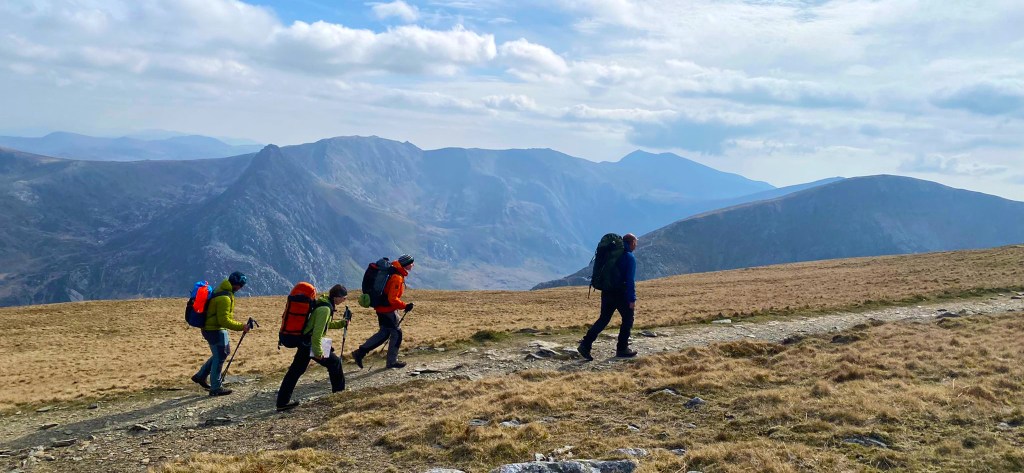
Hiking is a great way to exercise, explore places you perhaps haven’t been to before and discover new skills. It’s really good for you too. It brings many physical and mental health benefits and is undoubtedly one of the best workouts for both your body and your mind and soul. It’s also relatively accessible and cheap compared to many sports.
In the last few years, many people have taken up hiking for some much-needed stress relief. Hiking has and continues to help many to cope with the uncertainty and instability caused by the COVID19 pandemic and other uncertain world events. Whether you’re an avid hiker or just starting out, chances are you can relate to these sentiments.
We can arrange a hike for any age or ability level that will provide you with an appropriate challenge, whether you want a short walk on reasonably low-level terrain, a walk in the forest and the diversity of nature which that can provide, or a longer day or multiple days in the mountains where you can learn new skills. We have courses and events to suit all.
If you are new to hiking and in need of a little inspiration, the following are some of the best health benefits of hiking. Hopefully, these positive reasons will give you some extra motivation to get in touch with us and lace up your walking boots.
MENTAL HEALTH BENEFITS
1. REDUCE STRESS AND ANXIETY
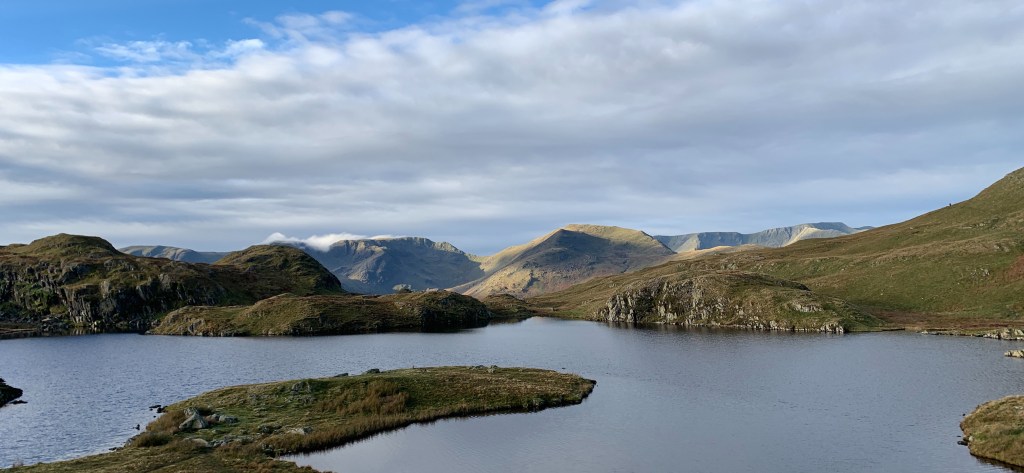
In addition to its many physical benefits, going hiking can be extremely beneficial to your mental health. Hiking brings you in touch with nature and your body, so it is a healthy way to manage the stressors that come with living in our fast-paced world. Like many forms of movement, hiking encourages the body to release endorphins, also known as the “happiness hormones” because they make you feel happy and less stressed. Many of us know from experience how detrimental stress can be to the body. Not only can stress make you feel stuck, but studies show that if stress is not dealt with, it can build up in the body and contribute to greater feelings of anxiety and depression. It can be a bit of a vicious circle. Exercise is a great stress reliever. Studies have shown that a 90-minute walk in nature can help to reduce rumination, which is the continuous overplaying of thoughts and anxieties. Spending time in nature decreases activity in the portion of the brain tied to mental illness. Hiking increases exposure to the sun, which provides many health benefits including the production of vitamin D, an essential nutrient that contributes to immune health, bone health, and improved moods.
2. STRENGTHEN BONDS WITH OTHERS
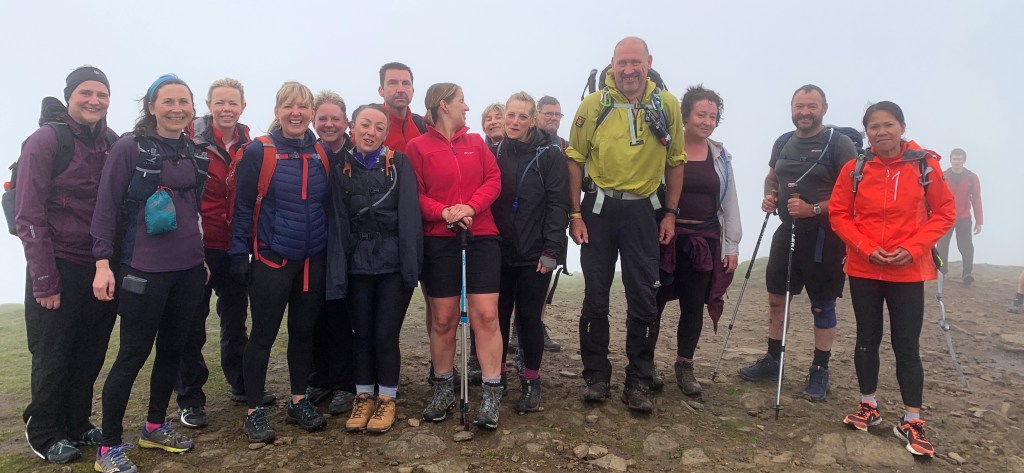
Hiking isn’t all mountaintops and sunset views. It requires navigating, setting pace, taking breaks, being able to read maps, and handling inclement weather. These challenges require consistent communication, problem-solving, and teamwork. We can show you how to learn and become good at those skills and in doing so, as you make decisions with people who you might walk with, you’ll have the perfect opportunity to strengthen your bonds with loved ones and foster new connections with others.
The health of your relationships greatly impacts your overall health, so relationship building is essential. Shared experiences can be a great way to strengthen relationships, and what better place to reconnect than the great outdoors? At One Spark we can organise great group outings, and can tailor them to different needs, interests, and athletic abilities. Why not get in touch to see what we can offer?
If you really want to take your hiking bond to a new level, consider one of our multi-day expeditions. Getting far away from our home comforts for multiple days and relying on each other for not just company, but even survival, can have a deep and lasting impact on friendships.
3. ENHANCE YOUR CONNECTION WITH NATURE
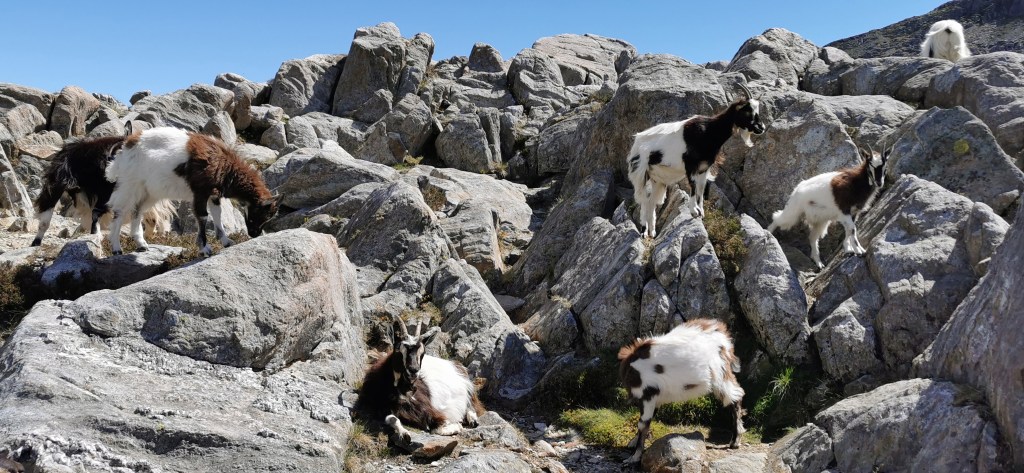
When you’re hiking, you have the time to connect with nature. And, because you’re not moving through the landscape at speed, which you might if you were running or cycling — you can fully immerse yourself in your surroundings. When you explore the great outdoors, you activate all your senses as you see, hear, smell, touch, and sometimes even taste, the world around you. This full-body experience gives you a multitude of benefits. With so many different hiking environments to choose from, it’s impossible to get bored; remember, we never stop learning. Hiking in nature can help you to slow down and feel more in tune with nature’s rhythms. There is a growing body of research which recognises the positive correlation between nature and health, including the idea that spending time in nature can inspire greater commitment to conservation efforts. In this way, hiking is mutually beneficial as it helps both people and the planet. This is core to my ‘One Spark Ethos’
4. IMPROVE YOUR SELF-ESTEEM
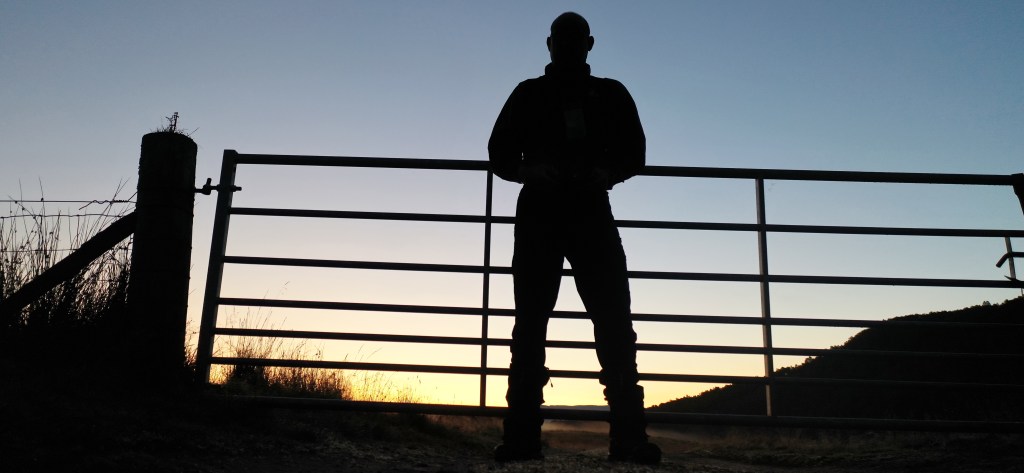
Just as hiking is great for improving your relationships with others, it can also be a great way to connect with yourself. We all have times when we struggle with believing in our own abilities. Hiking can help you shift your mindset and boost your self-esteem when you prove to yourself that you are fully capable of doing hard things. I am a great believer that if you believe you can do something, you can do it! Taking on new challenges is one of the best ways to boost self-esteem and feelings of self-worth. Hiking is a great activity to develop these new feelings of self-confidence, as each route offers unexpected difficulties for you to overcome. Nothing beats the “I did it!” feeling after you reach the top of your personal mountain or the end of a personally challenging hike. Again, the company line is that all you need is that one spark to light your inner fire.
5. BUILD COMMUNITY
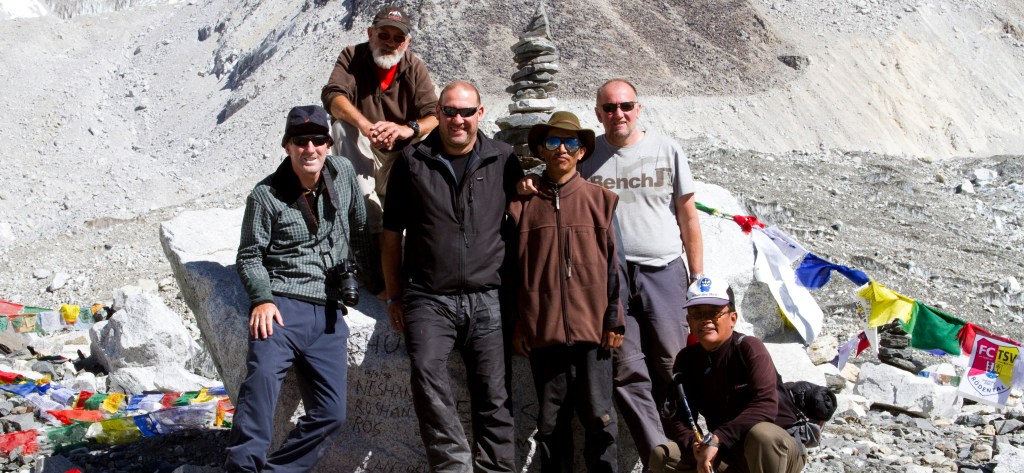
By community I mean any group of people that come together through shared hobbies, interests, or physical location to create involvement, connection, and togetherness. We shouldn’t overlook the benefits of community involvement. Being a part of a community can positively impact our mental health, as it provides a sense of purpose and belonging. When you hike, you become a part of a global community with millions of other hikers which crosses cultural and national boundaries.
6. KEEP YOUR MIND SHARP
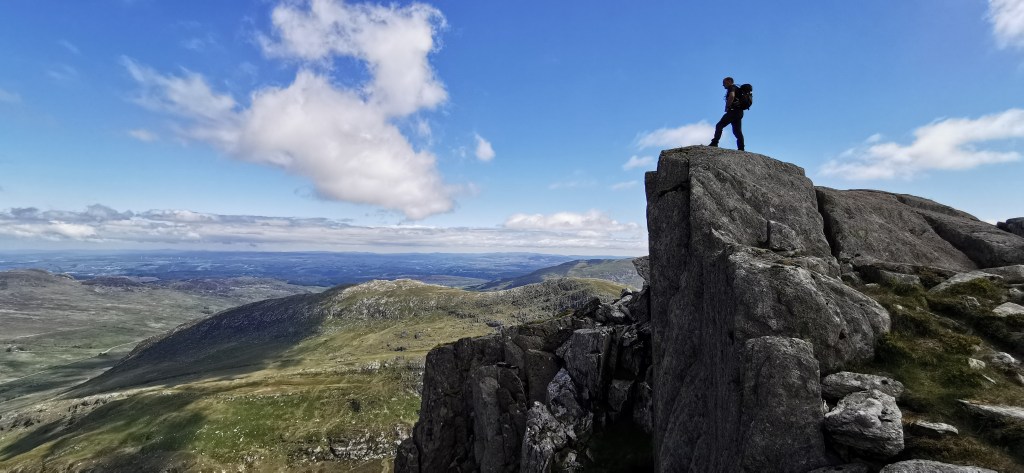
All forms of exercise are great for our mental health, but hiking brings physical and mental strength to new heights. When you’re on a trek, you need to maintain a heightened sense of your surroundings. You need to be on the lookout for hazards, navigational points, or the onset of inclement weather. Through this mental awareness, you activate the part of the brain that is believed to control spatial memory and navigation. By activating different areas and creating new pathways in the brain, hiking keeps the mind sharp. Regular aerobic exercise, such as hiking, is tied to numerous cognitive benefits including improved memory, cognition, increased creativity, and reduced risk of Alzheimer’s to name just a few.
PHYSICAL HEALTH BENEFITS
1. HEALTHY HEART
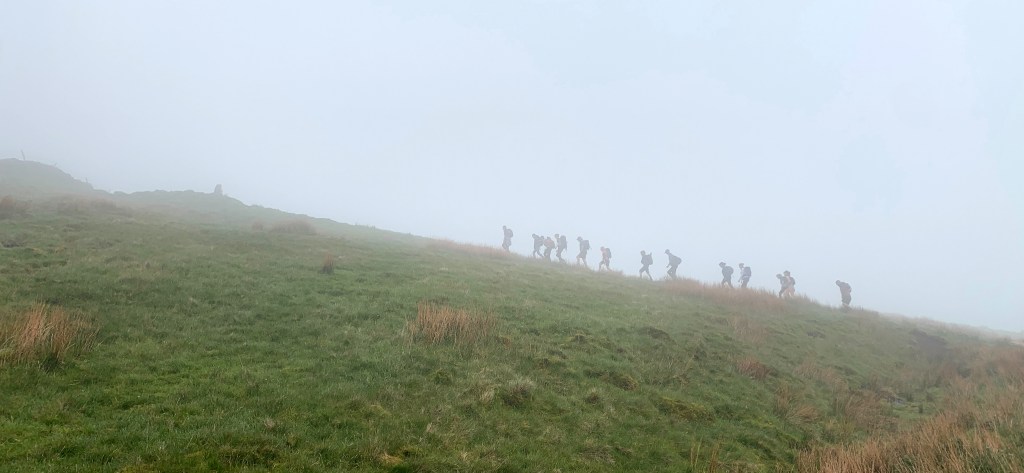
Hiking routes often include steep inclines, which is great for your heart! Even if you’re not on a route with a lot of elevation gain, you can still reap the heart-healthy benefits of hiking. Hiking is a form of cardiovascular (aerobic) exercise. This is an activity that increases your heart and respiratory rates as you work to supply your body with oxygen. Cardiovascular exercises increase blood flow to the small vessels around your heart, where blockages can build over time. This increase in blood flow can lower your risk for heart disease and improve your blood pressure and cholesterol levels.
Although hiking doesn’t generally spike your heart rate as quickly as running or other high-intensity cardiovascular activities, don’t underestimate a good walk in the hill’s ability to get your heart pumping. Research suggests that you can reap these benefits with just 30 minutes of cardiovascular exercise per day.
2. STRONG MUSCLES & BONES
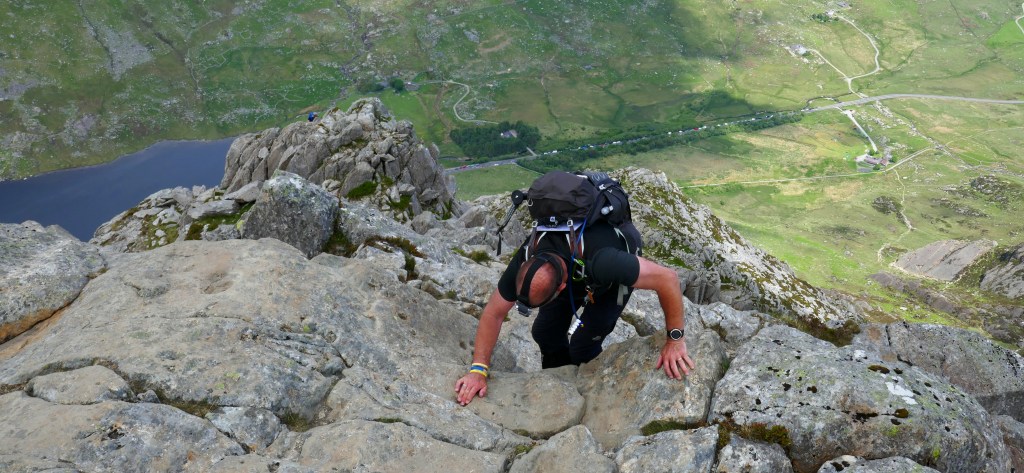
Hiking is a great way to build strong, healthy muscles and bones. Each hiking route requires you to adapt to different terrain and slope angles, so you’ll have to utilize different muscle groups throughout the day. Whether it’s a gradual climb, steep ascent, rolling hills, or anything in between, each hike presents your body with a new challenge.
When it comes to specific muscle groups, inclines target quads, hamstrings, glutes, and calves, while those downhill sections are great for strengthening your knees and hip flexors. If you wear a rucksack, the extra weight works to strengthen your shoulders, arms, and back. Hiking also activates your core, the collection of stabilizing muscles in your torso. It is a full-body workout!
In addition to strengthening your muscles, hikes are also one of the best workouts for strengthening your bones. Weight-bearing exercises, which require you to work against gravity, are excellent for bone health. This is because bone, just like muscle, is living tissue that becomes stronger with exercise, so workouts like hiking, walking, and jogging help to increase bone density, strength, and overall bone mass.
3. BALANCE
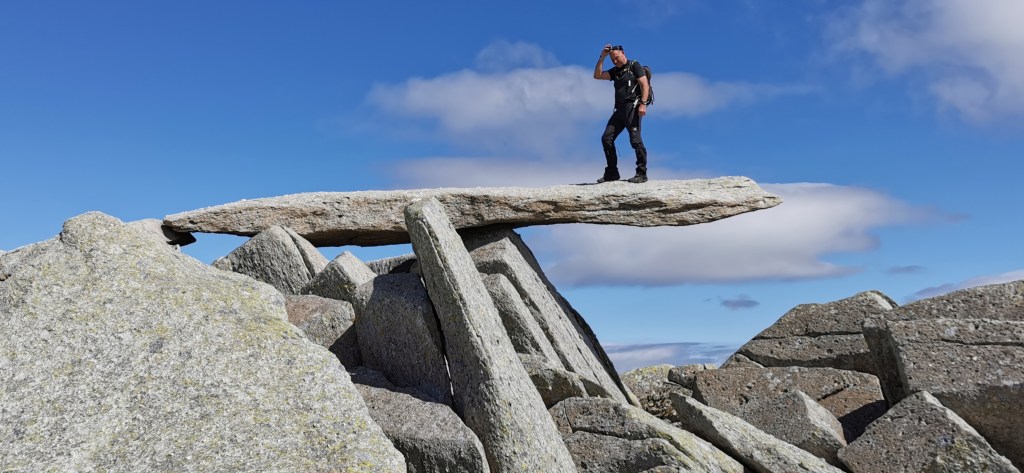
Since hiking requires the use of many muscle groups, it promotes greater overall strength and stability. Specifically, hiking engages and strengthens your hips and core, which work to keep you sure-footed when faced with uneven terrain. Not every hiking route will test your balance equally, though. As your hiking abilities improve, why not try out some of our routes with steeper grades, both ascents and descents, or more uneven terrain features like rocky terrain and even scrambling.
Improving your balance can benefit your overall quality of life. As you age, it becomes increasingly important, as good balance helps reduce the risk of injury from falls. While walking to the shops or on the treadmill is still a great form of exercise, try out a hike with us for the added balance benefits.
4. BETTER SLEEP
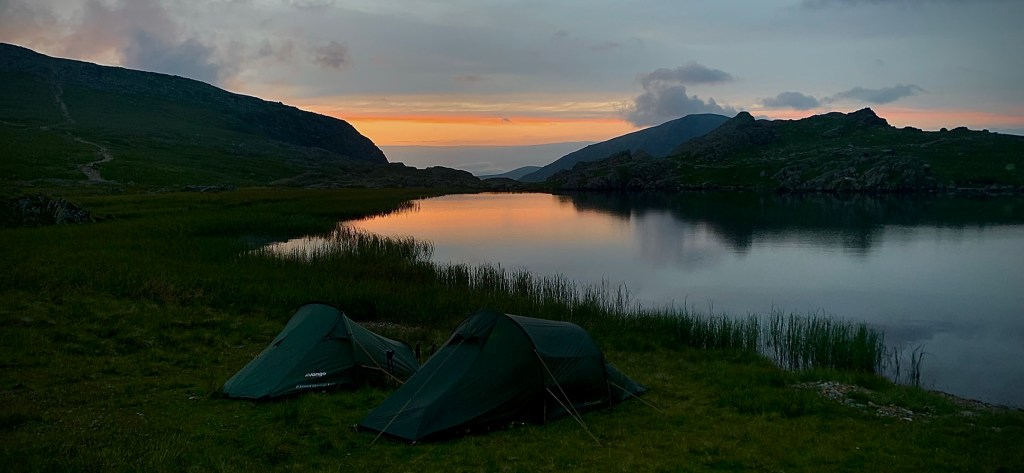
Exercise is an effective way to improve sleep quality, and hiking is no exception. Hiking is a full-body workout that requires physical energy, but it can be a great way to exert your mental energy, too. Mental activities such as studying maps, navigating routes, and pushing through a challenging hike can require a lot of mental fortitude. At the end of the day, that mental and physical exertion encourages our minds and bodies to relax and recharge with a peaceful night’s rest. Exercise helps boost sleep hormones like melatonin. Bright light exposure from the morning sun also helps to regulate our circadian rhythms (our 24-hour sleep-wake cycle).
5. ENDURANCE
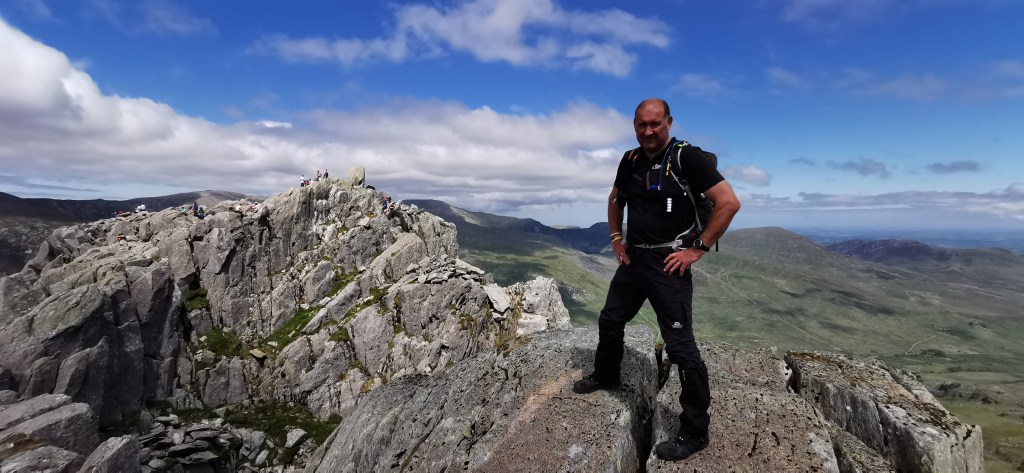
From two-mile walks to 40-mile long-distance challenges, hiking is a great way to build endurance. Hiking is a relatively low-intensity exercise compared to other forms of cardiovascular exercise like running. On most hikes, your heart rate will hover around zone 2. This is the zone in which you can still talk to a friend while you’re moving. The workout is not quite easy, but it’s still below strenuous and nowhere near intense. When you maintain a heart rate within the zone 2 range for an extended period, your body efficiently builds its aerobic base, enhancing your endurance.
For beginners, I recommend starting with shorter, less technical hikes as you work up your strength and stamina. We can provide these. For more seasoned hikers looking for a challenge, multi-day expeditions can be a great way to increase mileage over consecutive days. If you’re even more adventurous, you might want to consider training for longer treks like the Coast-to-Coast walk or the Pennine Trail. Just remember, we all start somewhere!
6. CROSS TRAINING FOR OTHER ACTIVITIES
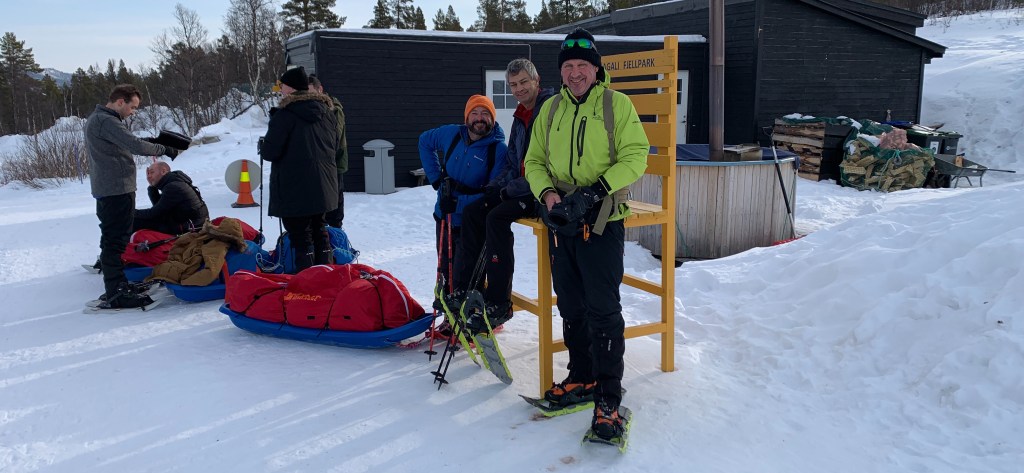
As I’ve already said, hiking challenges both the mind and body while building strength across muscle groups, which makes it a great cross-training activity. Cross-training refers to the practice of engaging in sports other than your main sport for the purpose of improving overall performance. One of the best ways to get fit, and stay fit, is to expose the body to new challenges, which explains why many athletes turn to cross-training in the offseason. Many professional athletes swear by the physical and mental benefits gained by hiking. But even if you aren’t a competitive athlete, hiking’s ability to strengthen your muscles and bones, improve your heart health and balance, and build endurance makes it an effective way to prepare for any physical activity that you may be planning.
So take a look at the courses and activities we offer and see what you think may suit you. From basic through to advanced navigation, mountain skills, day hikes in all of the UK’s mountainous areas, and longer multi-day expeditions and long distance walking challenges, there should be something to suit you. Drop us an email via the form below or give us a call.



 One Spark Outdoor Adventures