Bushcraft is the most widely used term for wilderness survival skills. It was popularized in the Southern Hemisphere by Les Hiddins, known as “The Bush Tucker Man” and in the Northern Hemisphere by Mors Kochanski. In the UK it has increased in popularity due to the exploits of Ray Mears and his numerous bushcraft and survival TV series.
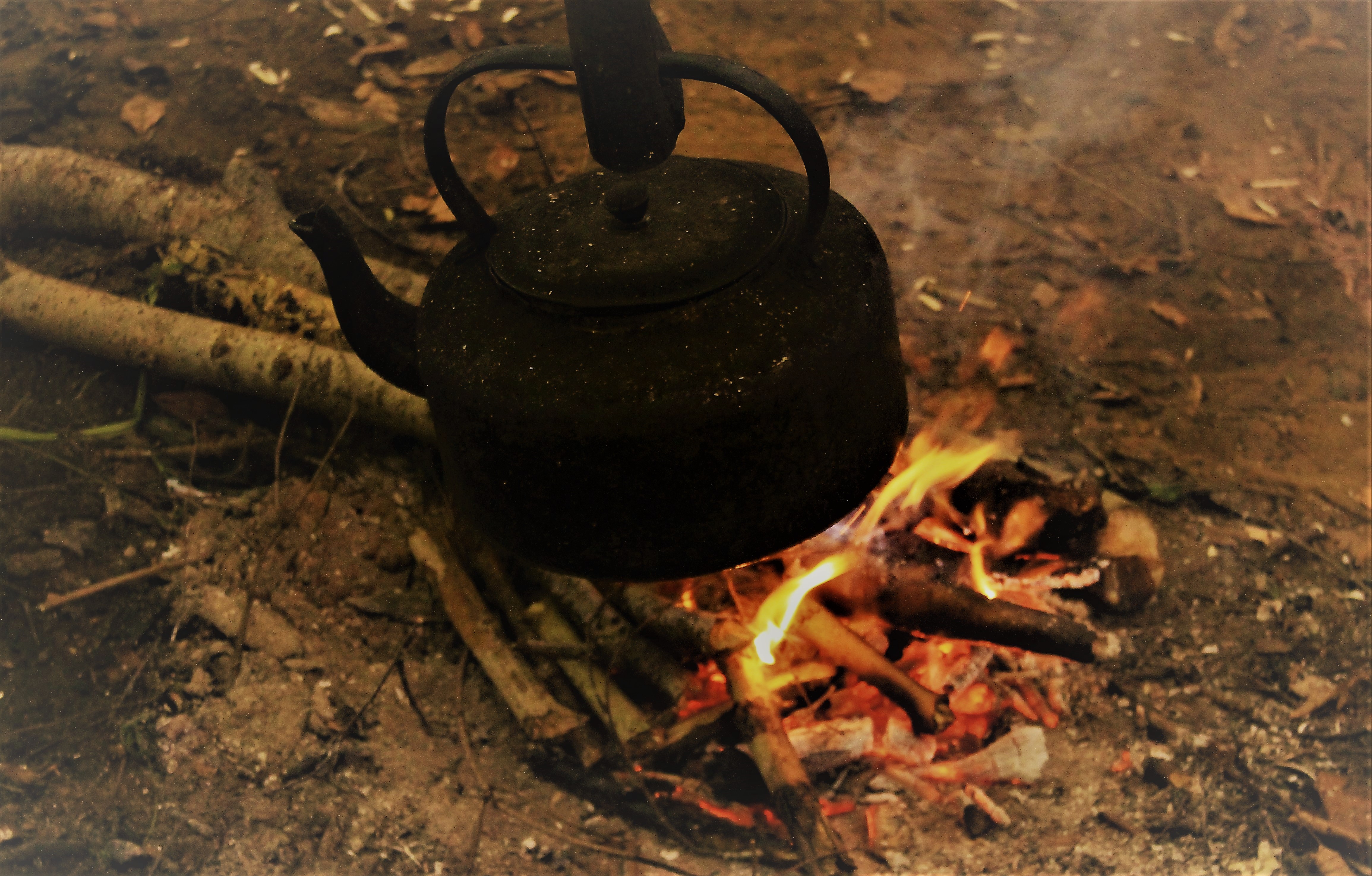
Bushcraft is all about thriving in the natural environment, and the acquisition of the skills and knowledge to do so. It could also be said that it is having the skills to live comfortably outdoors for extended periods. These skills include, but is not limited to, fire-craft, shelter-building, natural navigation, the use of tools such as knives and axes, water sourcing, foraging, the use of natural materials with which to create cordage, hand-carving wood, container construction from natural materials, tracking, hunting and fishing.
Why do bushcraft?
If you asked this question of most people who regularly practice bushcraft you would be likely to receive a variety of answers. Some people do it simply for fun, others do it because they want to be prepared should they become stranded in the wilderness, others do it because they want to survive a future apocalypse, some do it as part of living sustainably and others do it because they want to try something new.
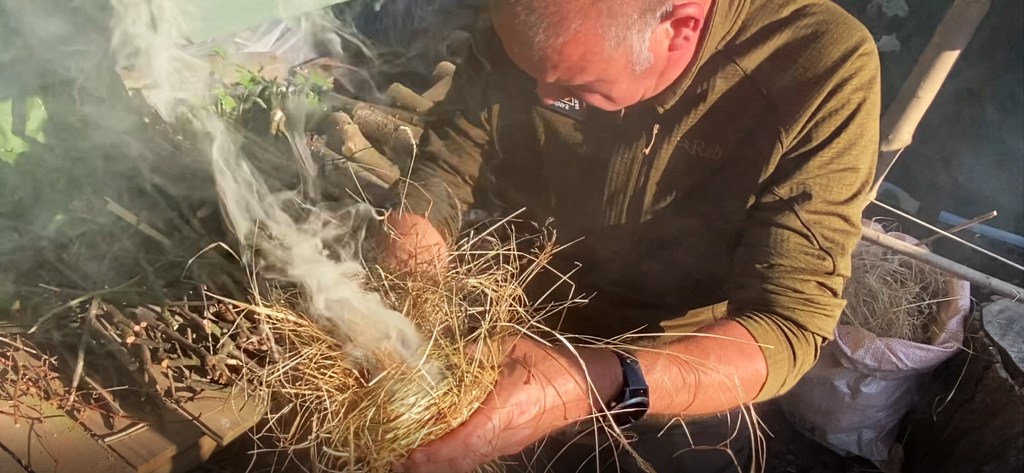
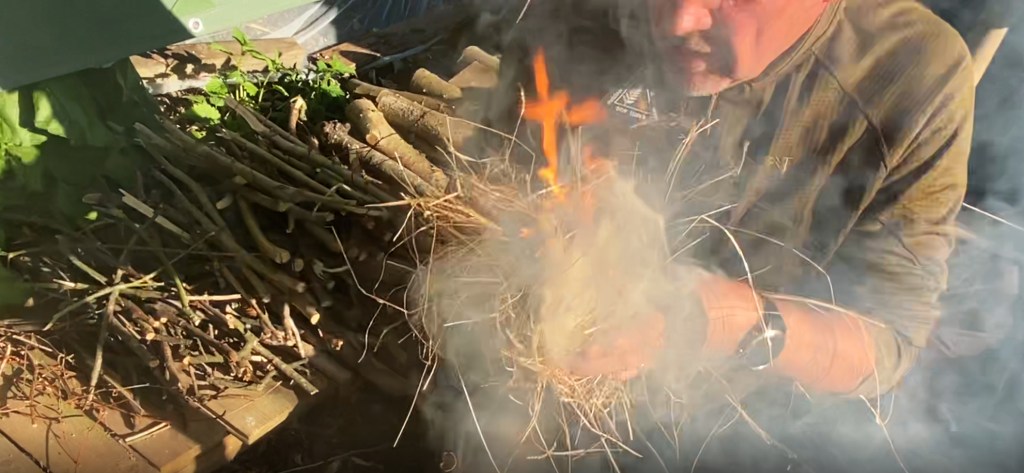
One thing is for sure though. Learning bushcraft gives you a great sense of achievement every time you learn a new skill. Only a few weeks ago I taught a middle-aged guy how to light a fire using friction only. He managed it the very first time and his sense of achievement was tangible. There is no doubt that it’s useful to have any of these skills and as a bonus they’re fun to learn.
Another great thing about bushcraft is that it brings people together and anyone can do it! The scouting movement has been practicing it since their inception but now more and more schools are finding that it is fantastic for children to learn how to prepare a meal in the woods.
Families are learning again how to work together, for example, to build a shelter, using everyone’s abilities.
Businesses are discovering that their employees are more productive and satisfied if they step away from work and spend some time in the woods. Corporate team-building days are very well-attended. Although many of the skills learned are individual, they’re all about survival and undoubtedly humanity survives best in groups!
Last but certainly not least is the feel-good factor that being outside in the fresh air provides. It is proven that nature helps reduce stress levels and being in nature improves physical health.
 One Spark Outdoor Adventures