
Do you have an interest in historical aircraft crashes on high ground? If so, read on, because we run fully guided walks to some key sites in different areas of the UK.
There is no doubt that though that this subject is becoming more and more popular with walkers, genealogists, and historians. There are numerous reports from mountain rescue teams of being called to the aid of inquisitive folk heading into the hills, getting lost, caught out by inclement weather, and not only never seeing what they set out to see. In doing so they put themselves in danger and stretch the resources of those that are called to help them. The nature of the terrain, remoteness, and often changeable and extreme weather conditions should not be underestimated.
| Date | Course / Event Name | Location | Duration | Price | Spaces |
|---|---|---|---|---|---|
| TBC | “Over Exposed” | Bleaklow, Derbyshire | 1 Day | £60 | Yes |
| TBC | Canberra | Carneddau, Wales | 1 Day | £60 | Yes |
| TBC | “Over Exposed” | Bleaklow, Derbyshire | 1 Day | £60 | Yes |
| TBC | Canberra | Carneddau, Wales | 1 Day | £60 | Yes |
To book on any of the listed events please complete the booking form HERE
The walks we offer are fully guided by qualified mountain leaders, you will be given a kit list which will give you an idea of what you may need to be equipped with for the prevailing conditions.
There are obviously many high-ground areas in the UK and coupled with the variation in altitude and the notorious UK weather, many aircraft have come to grief in our mountains over the years.
The first of two sites we visit at the present is that of a United States Air Force B-29 Superfortress which crashed in the Peak District shortly after the second world war.
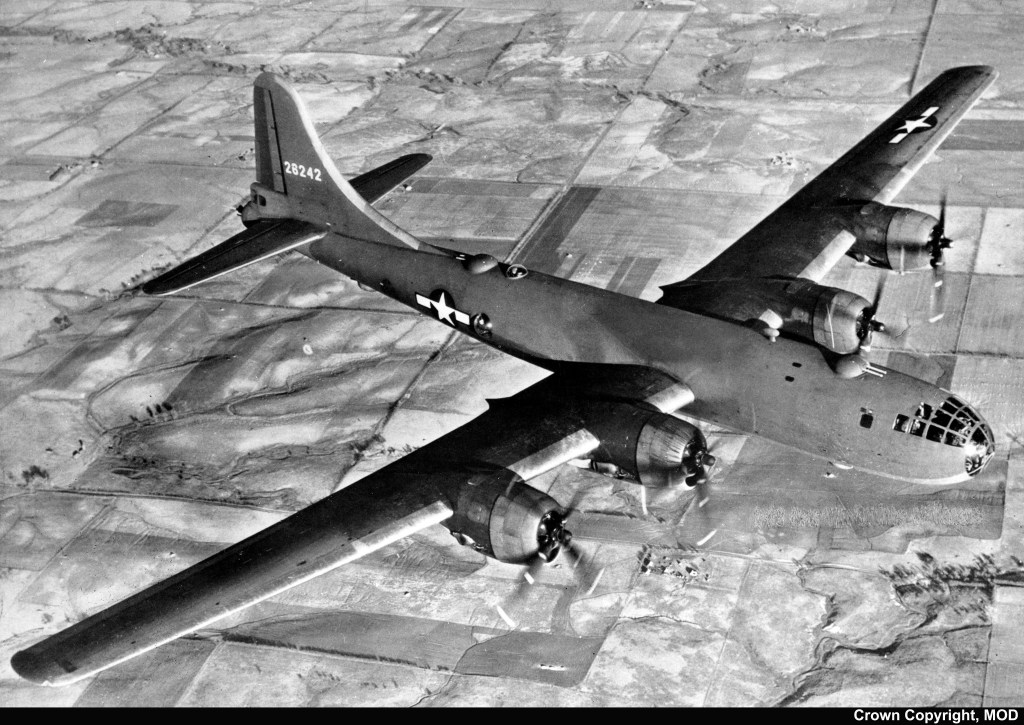
The B-29 was named “Over Exposed” and interestingly, in July 1946, the year before it was lost, it had been the camera aircraft which accompanied another B-29 Superfortress to photograph atomic bomb tests at Bikini Atoll and later, underwater bomb tests. At the time of the crash, it was carrying airmen’s wages.
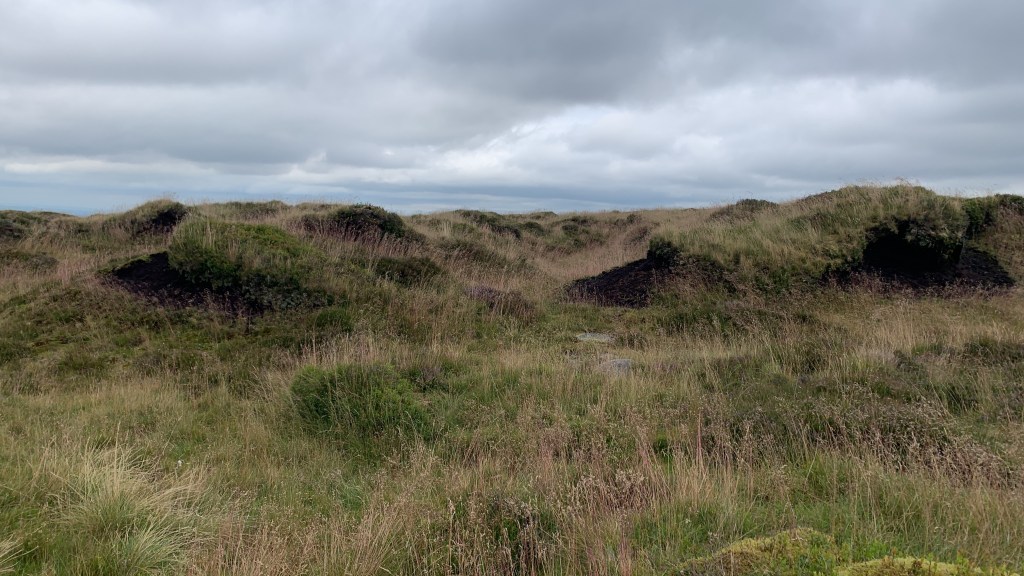
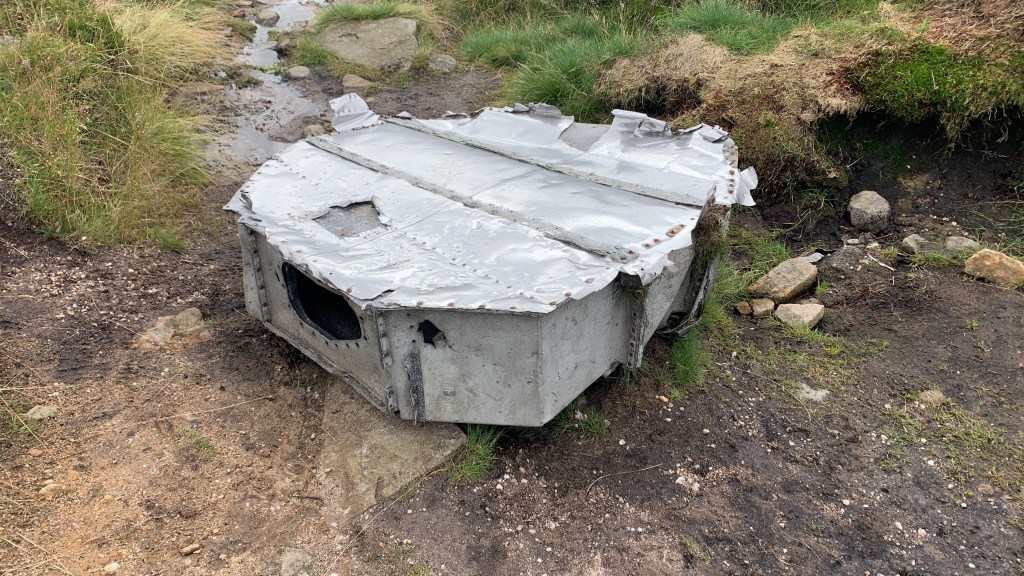
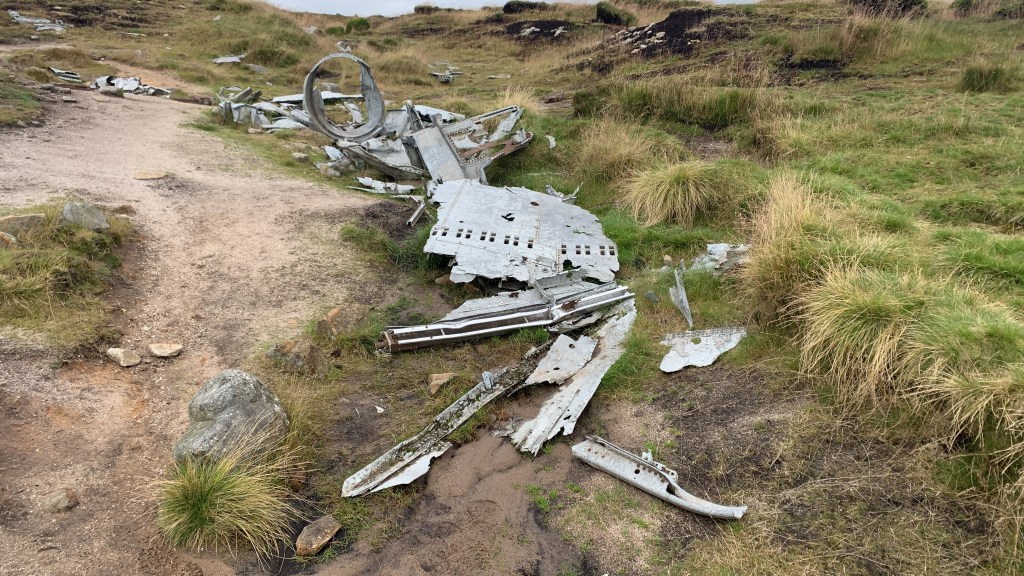
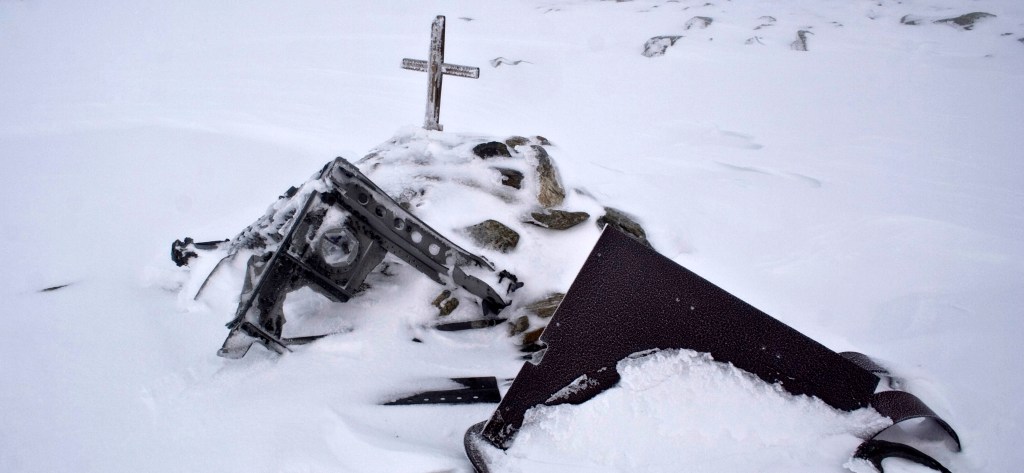
Navigation systems have improved massively but even now there are crashes in mountain areas. By far though, the most happened in the wartime years and those immediately following where flights and numbers of aircraft were so much more than now, and Air Forces have been subject to numerous cutbacks through successive governments which has further compounded the dwindling numbers.
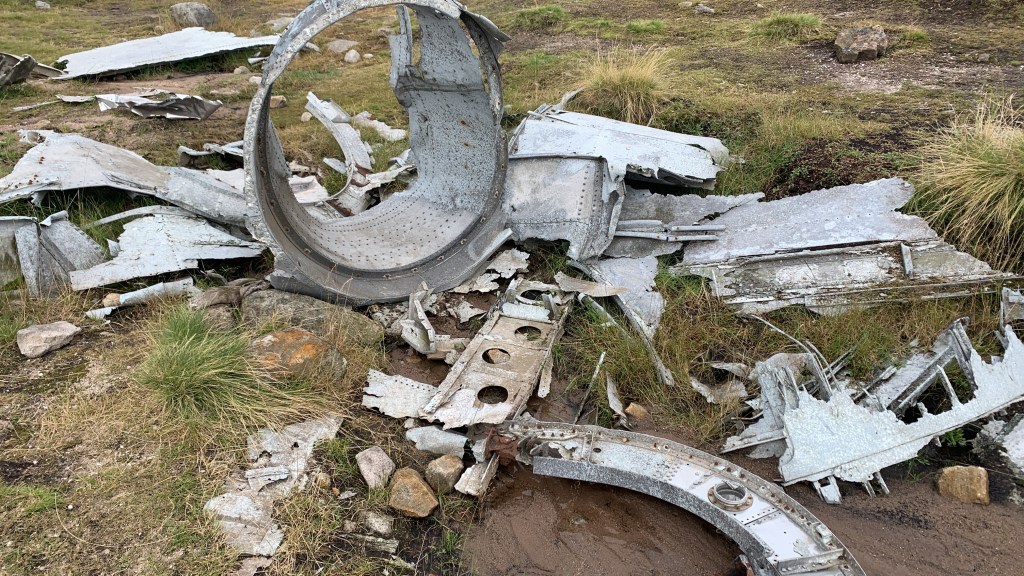

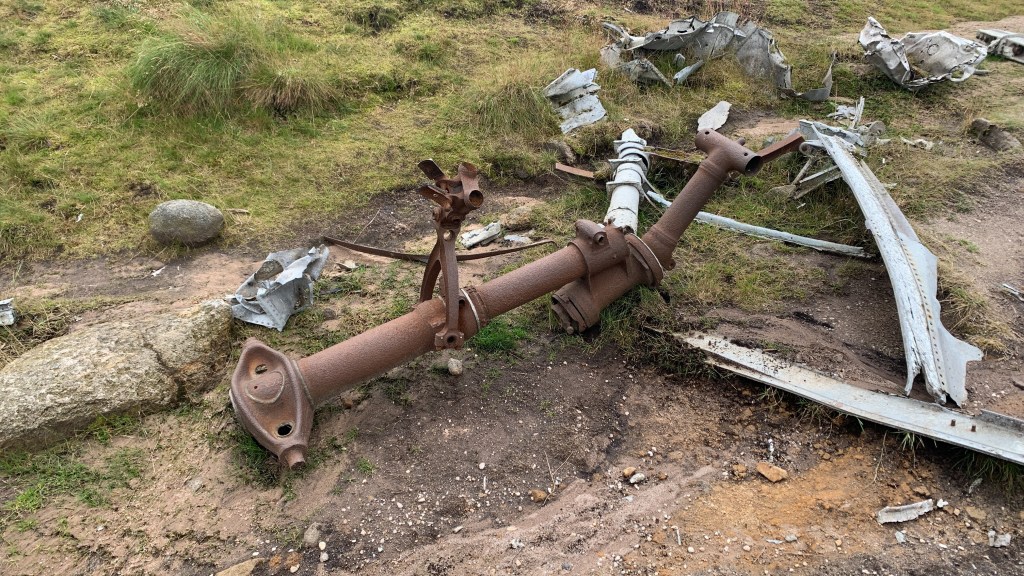

Many crash sites were cleared at the time and little or nothing remains to be of interest, but there are some sites, including the two we visit, where there is substantial wreckage. Because of the areas in which some of these are located, the casual hiker may not be aware of their existence. Of course, some people are simply not interested, but many of those that are may be limited by their navigational ability, confidence and not being used to walking in mountainous areas.
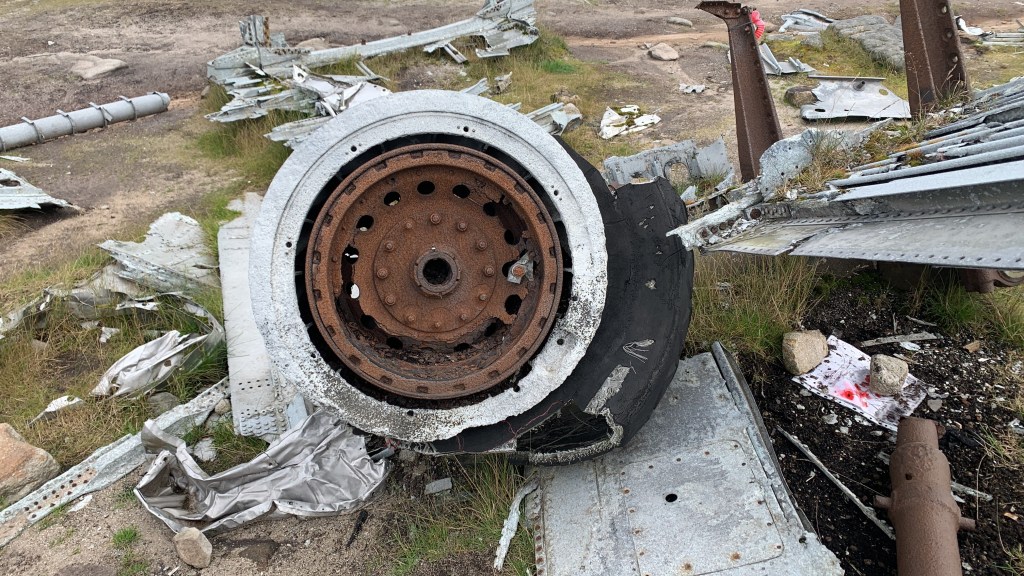
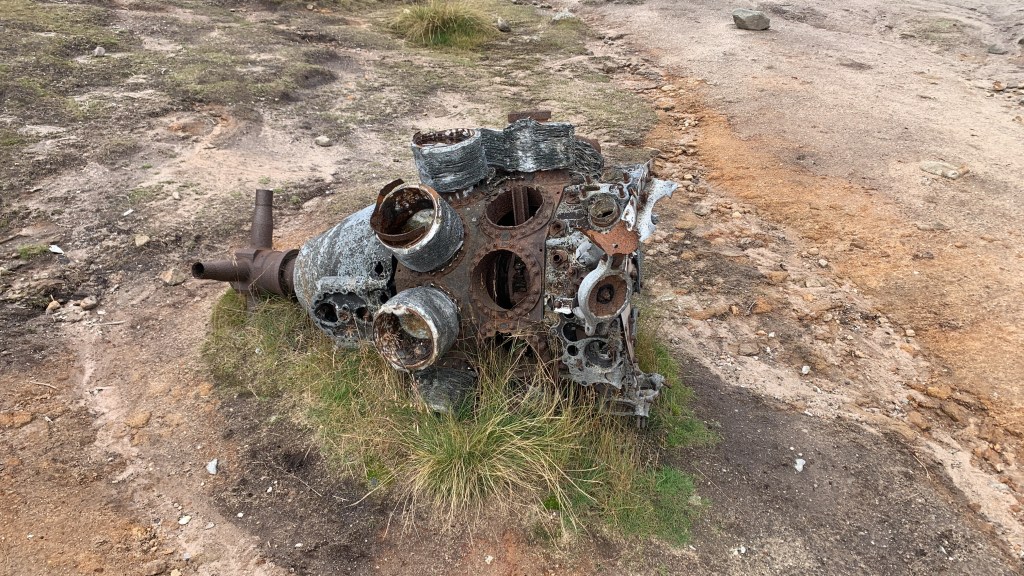
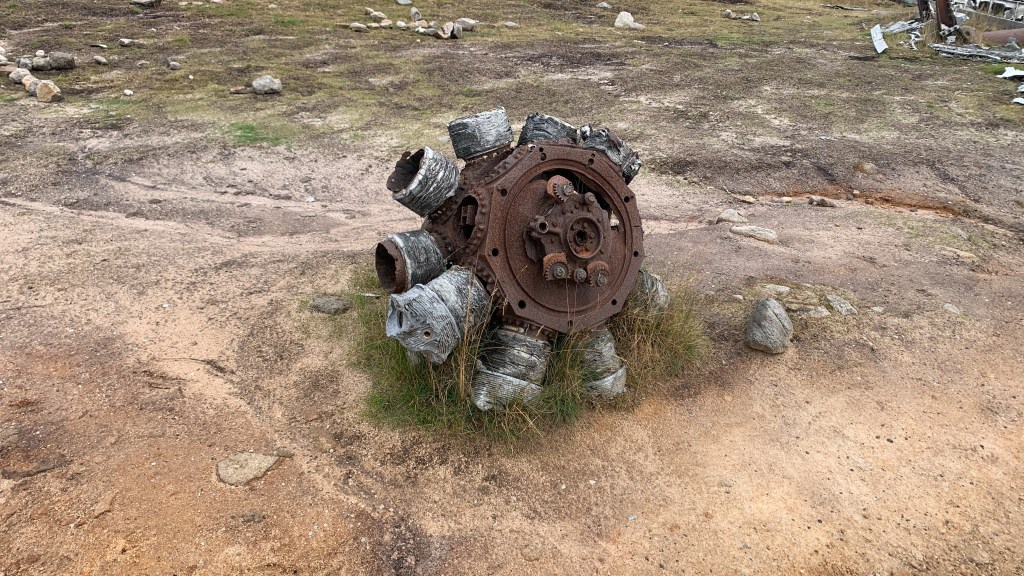

The second site, in Snowdonia, is that of a Royal Air Force Canberra jet bomber which crashed into a ridge the 1950’s during a radar research flight.
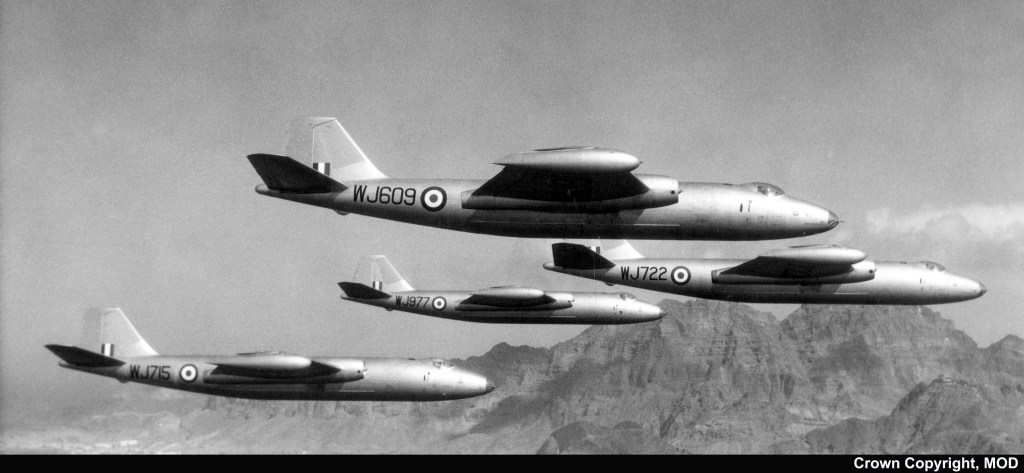
It is commonly believed that all crash sites are war graves, though in fact only a very small number of sites on high ground in the UK have this status. Only very rarely were aircrews remains interred at crash sites and such sites are usually clearly marked as war graves. The sites we visit are not classed as war graves, but we believe that all sites where fatalities occurred should be treated with the utmost respect. Crash sites undoubtedly have a sombre atmosphere, and many visitors are sensitive to this and may still wish to pay their respects.

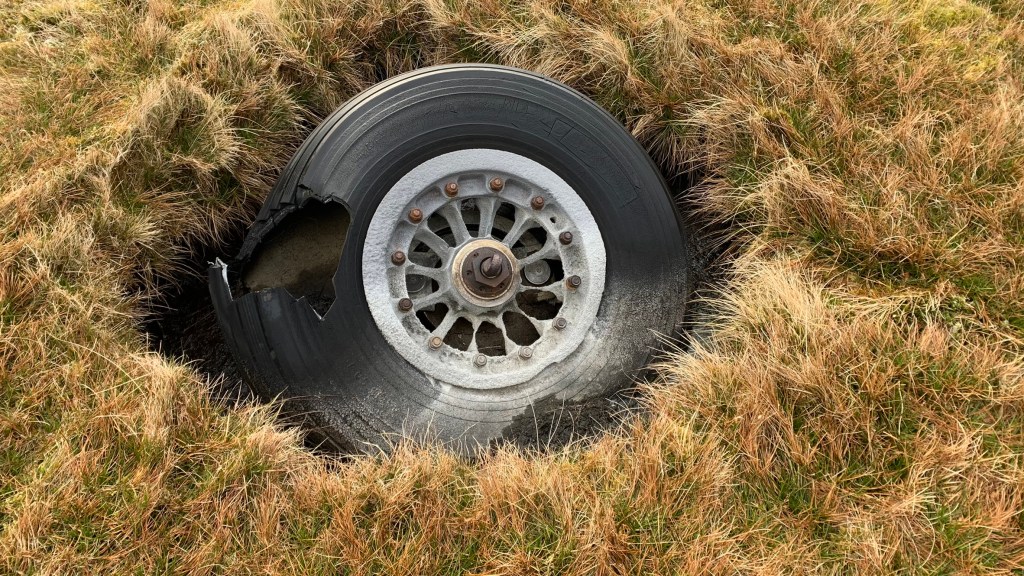
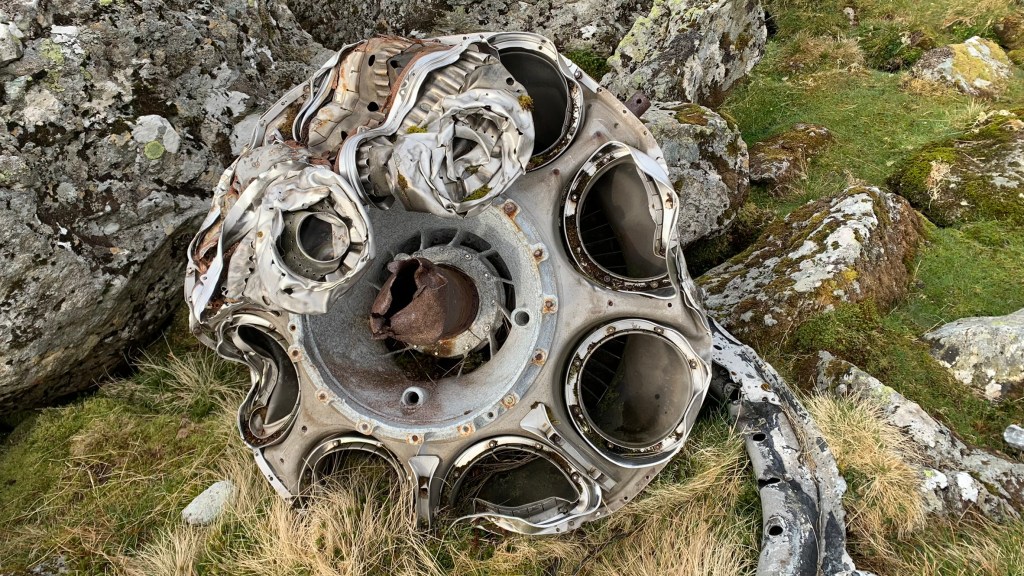
Government legislation (Protection of Military Remains Act, 1986) was introduced which affects people visiting the crash sites of military aircraft. All crash sites of military aircraft in the United Kingdom are classified as “controlled sites” under the Act. This is regardless of any loss of life which may or may not have occurred. The Act makes it an offence to tamper with, damage, move, remove, or unearth any items at such sites so we ensure that this law is adhered to.
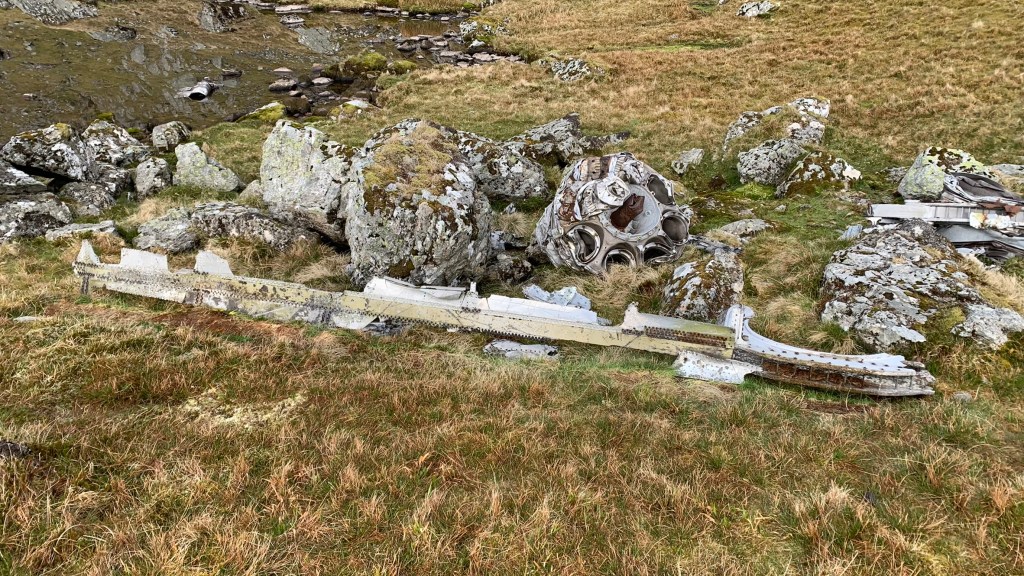
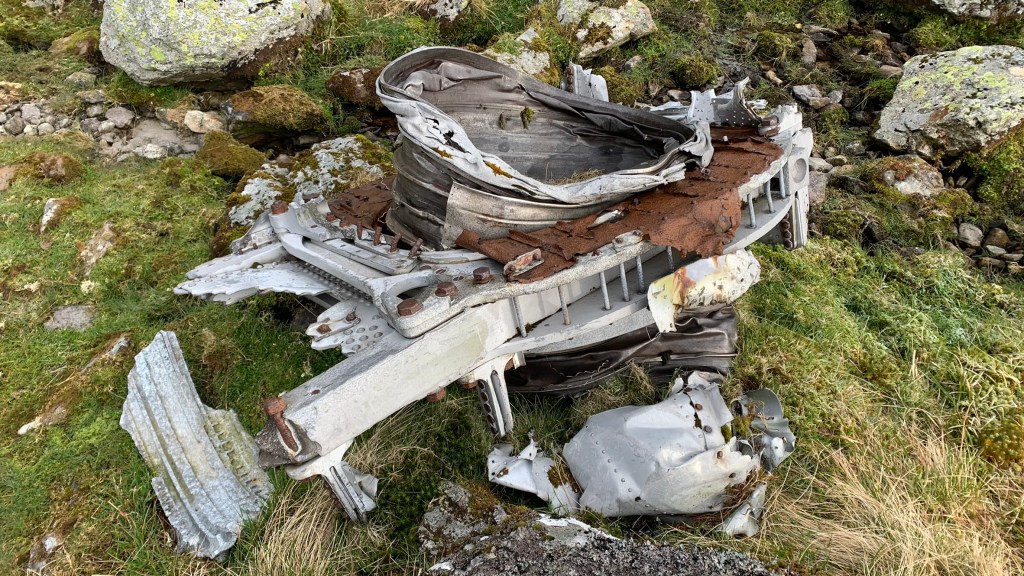
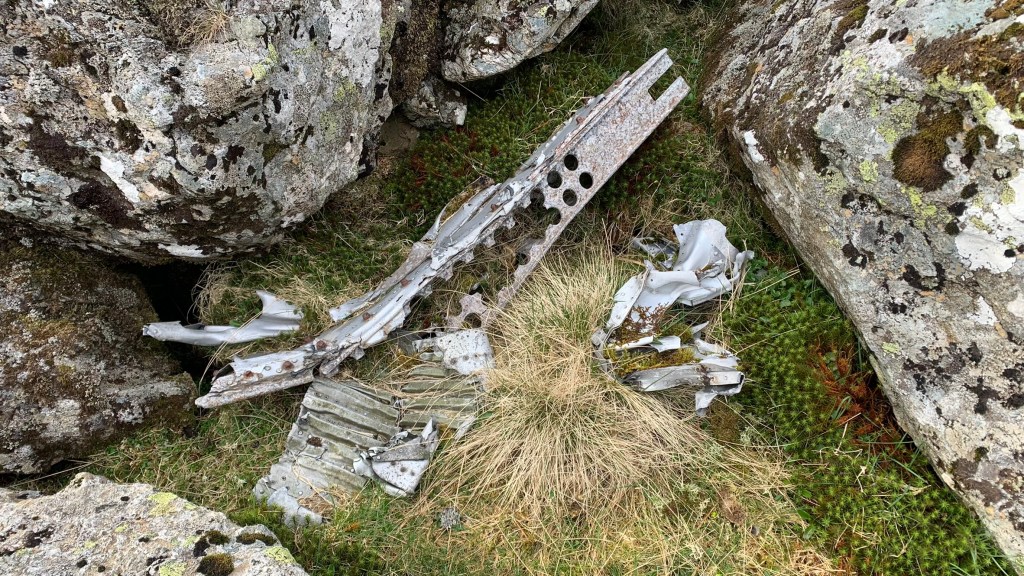
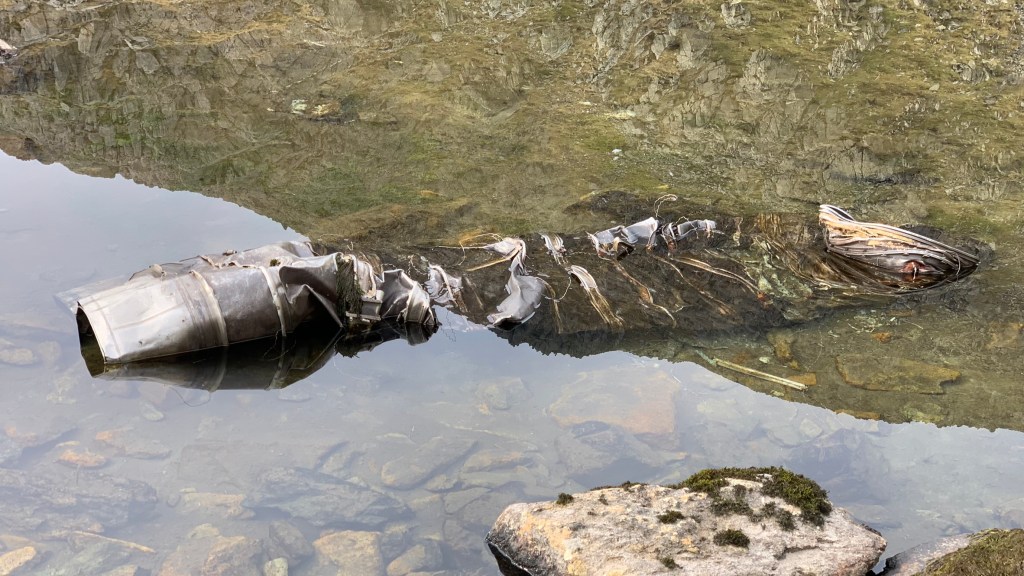
Substantial wreckage from both aircraft remains and during our visits you will learn about each flight, the aircraft and crews involved and be able to respectfully reflect on the incidents within the tranquil surroundings.

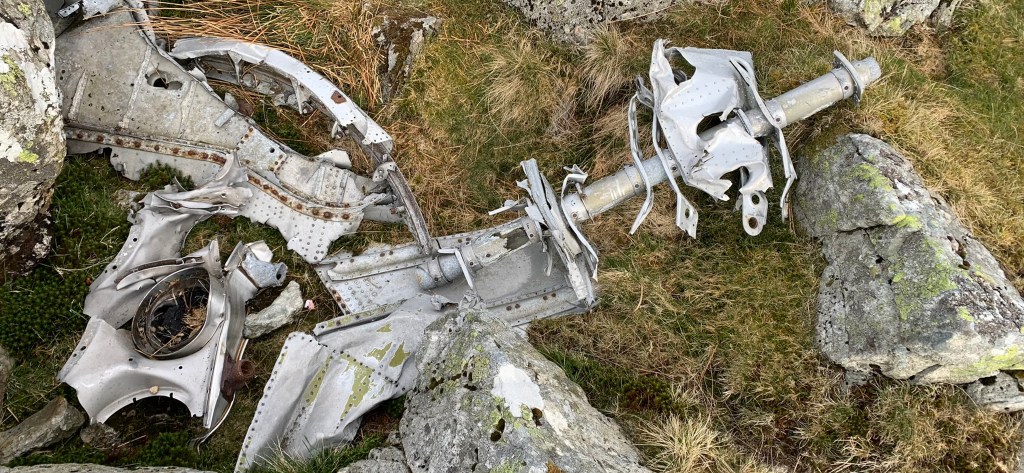
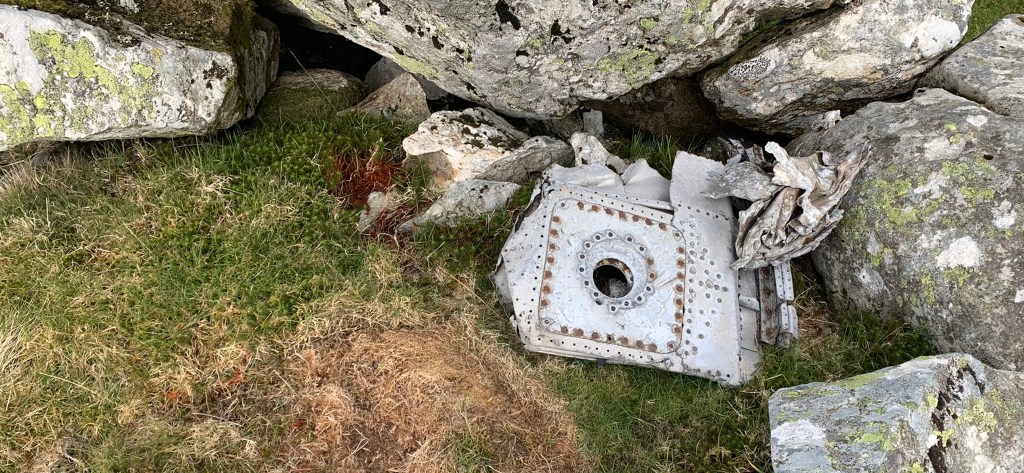

Notwithstanding the legal aspects, many parts from an aircraft may be hazardous if touched and for all these reasons we look, pay our respects and leave.
NOTE: Both events require a reasonable level of fitness.
To book on any of the listed events please complete the booking form HERE
For enquiries about availability please send a message on the enquiry form below:



 One Spark Outdoor Adventures