The Birch family is a large family of about 150 species of medium-sized trees and shrubs. Flowers are in the form of catkins with separate sexes growing on the same tree although the male is more conspicuous. Seeds are borne in smaller cone-like catkins, in nuts or sometimes wings.
Common and useful species to us are:
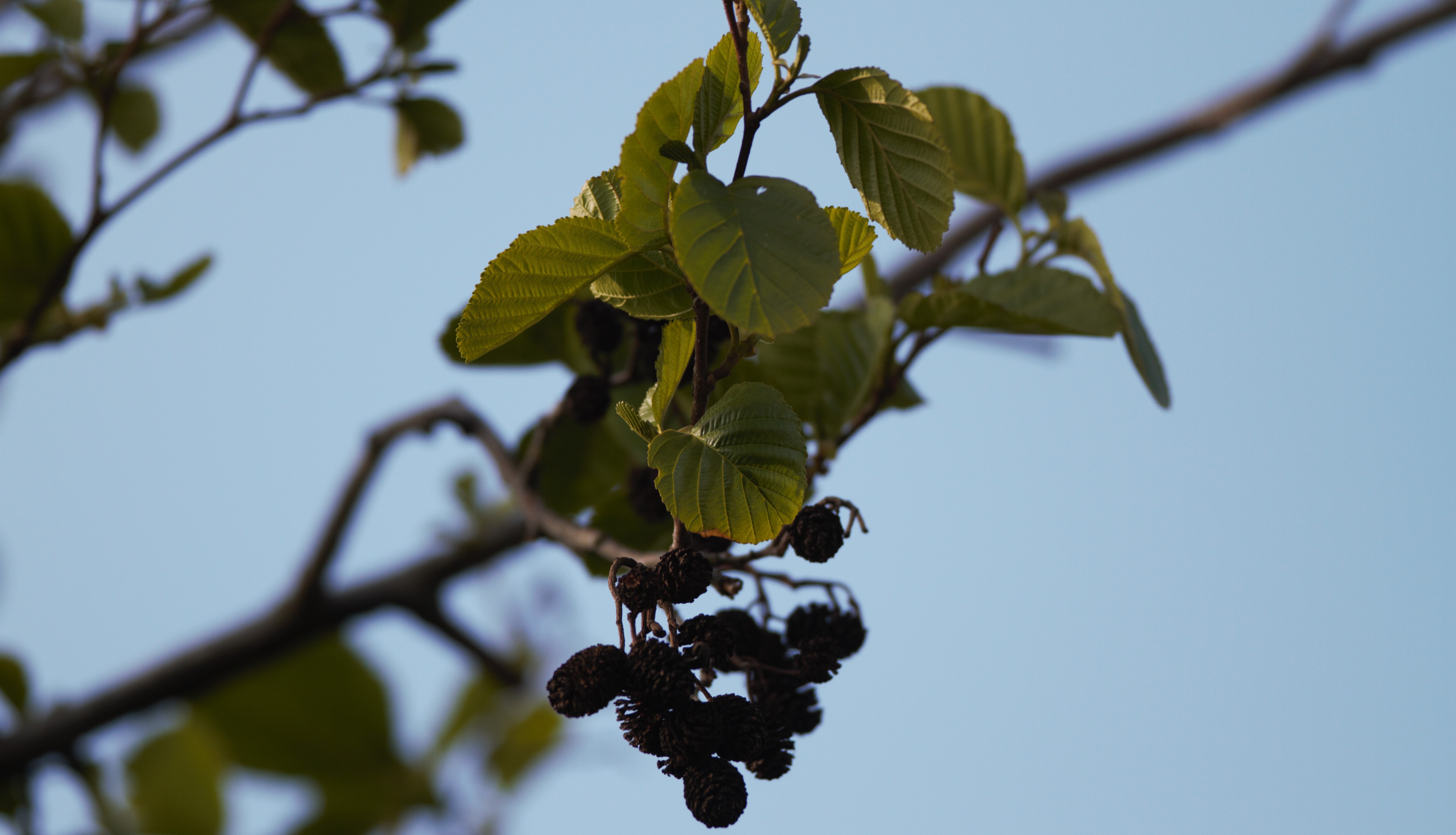
Alder (Alnus glutinosa) The bark and your shoots can be used as a yellow dye and the bark as a laxative. As a firewood it burns reasonably when dry but don’t bother when it’s green. It also makes high quality charcoal. It can be used as the hearth or drill for friction fire lighting. Alder can withstand rot underwater almost indefinitely but will decay quickly when not saturated. A peeled and chewed twig makes an adequate toothbrush.
Silver Birch(Betula pendula) Birch decays easily. It provides a reasonable heat as firewood but burns quickly and leaves a sticky residue on your pots. The bark makes an excellent tinder that burns with a good hot flame and will even burn when wet. The bark can be used to make containers and even canoes. It can be used for the hearth and drill for friction fire lighting. It can be tapped for sap just before the buds open.
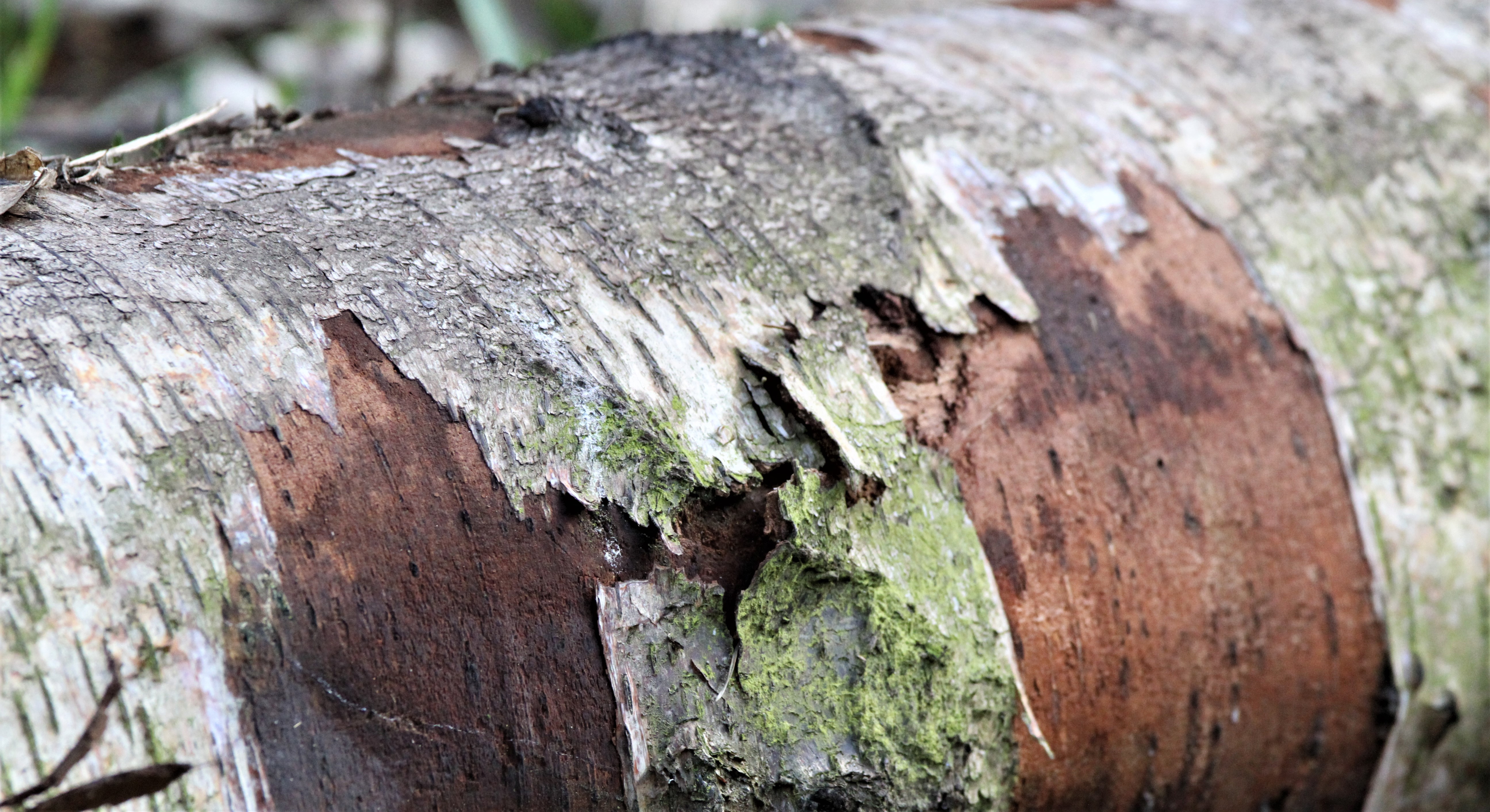
Silver Birch(Betula pendula)
Hazel (Corylus avellana) A great utility for bushcraft. It’s a pliable wood which remains so even when dry and is easy to split. A good fuel even though it burns quickly and an ideal wood for charcoal. Great for friction fire-lighting as hearth, drill and bow. Use for tent pegs, pot hangers, walking sticks etc and for withies in basketry. Hazelnuts are edible and can be used as a flour substitute when harvested in Autumn. Twigs can be chewed and used as toothbrushes.
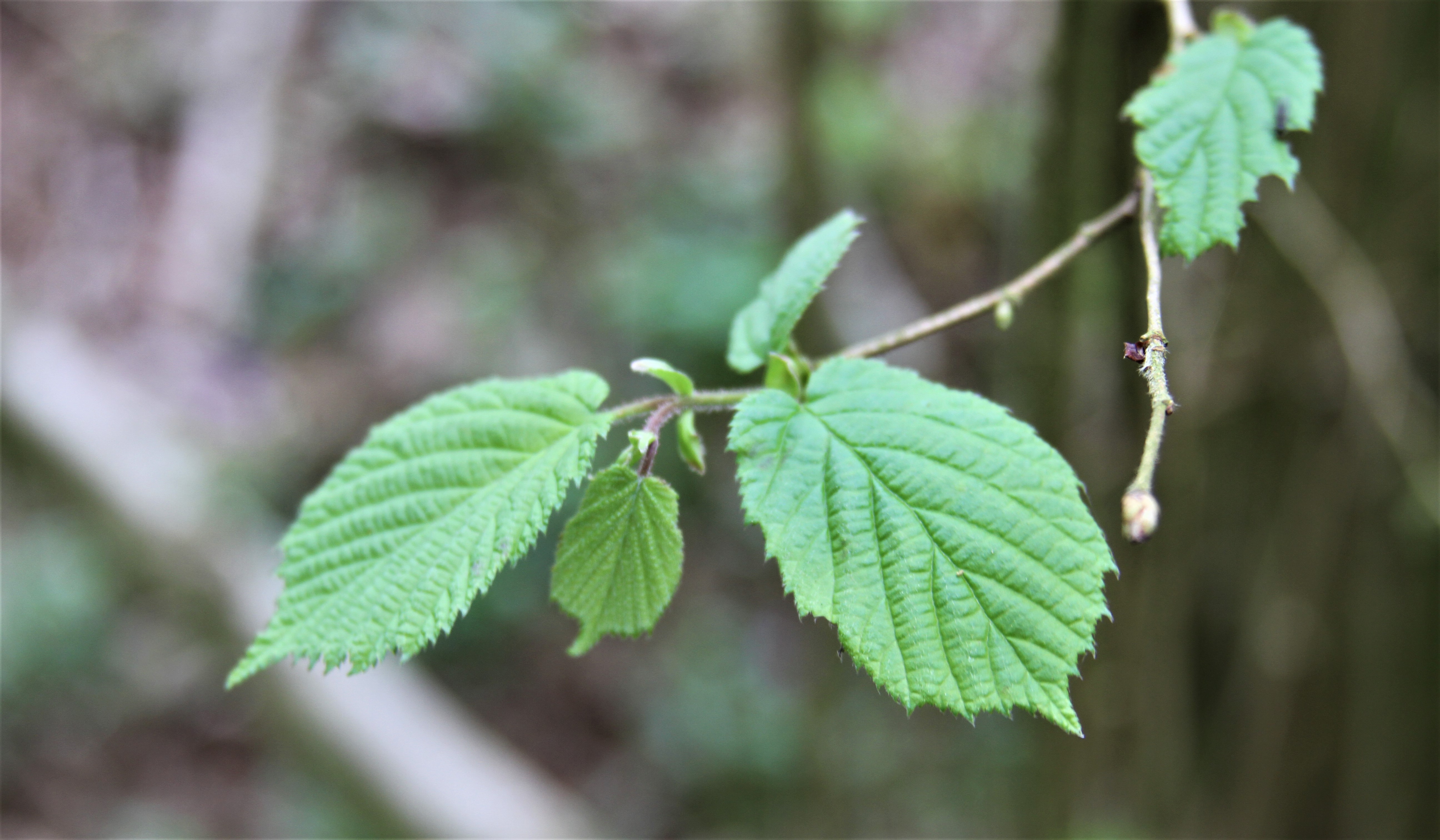
Hazel (Corylus avellana)
Hornbeam (Carpinus betulus) A very hard wood. Good firewood, slow burning and with good heat output. Good for making mallets. A yellow dye can be obtained from the bark.
(photo to follow)

 One Spark Outdoor Adventures