
I like to appreciate nature in all its magnificent forms and keep talking about how much we depend on it and how it depends on us as human beings. When we talk about responsible woodland management and opening the tree canopy to allow more light in, this is key to increasing biodiversity in our woodlands.
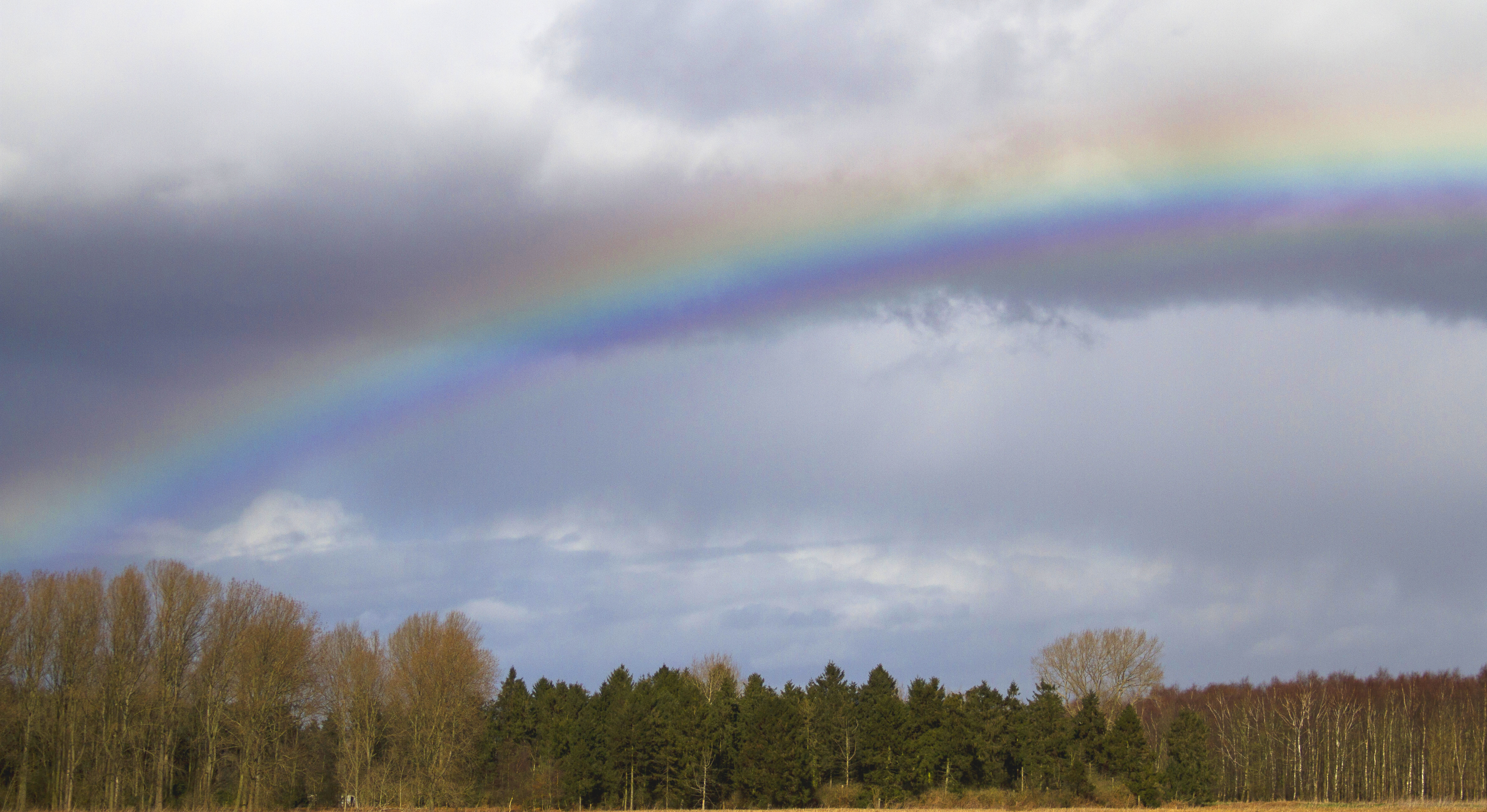
Quite simply, more light equals more life
With more light being available we see an increase in plant species which in turn brings an increase in insects, birds, and mammals. Pollination is the transfer of pollen from a male part of a plant to a female part of a plant, later enabling fertilisation and the production of seeds. This is most often by an animal, including insects, or by the wind.

In the insect-world, while bees are perhaps better-known pollinators, so also are butterflies. Although they all are only looking for food, in the nectar they feed on, they also help plants reproduce.


The knowledge about how we can benefit from our surroundings and how our surroundings can benefit from us extends to all wildlife and in this article, we will look at butterflies. There is a link to bushcraft but in any case they are a fascinating subject on their own!
The Life Cycle of a Butterfly Begins and Ends with The Adult Butterfly
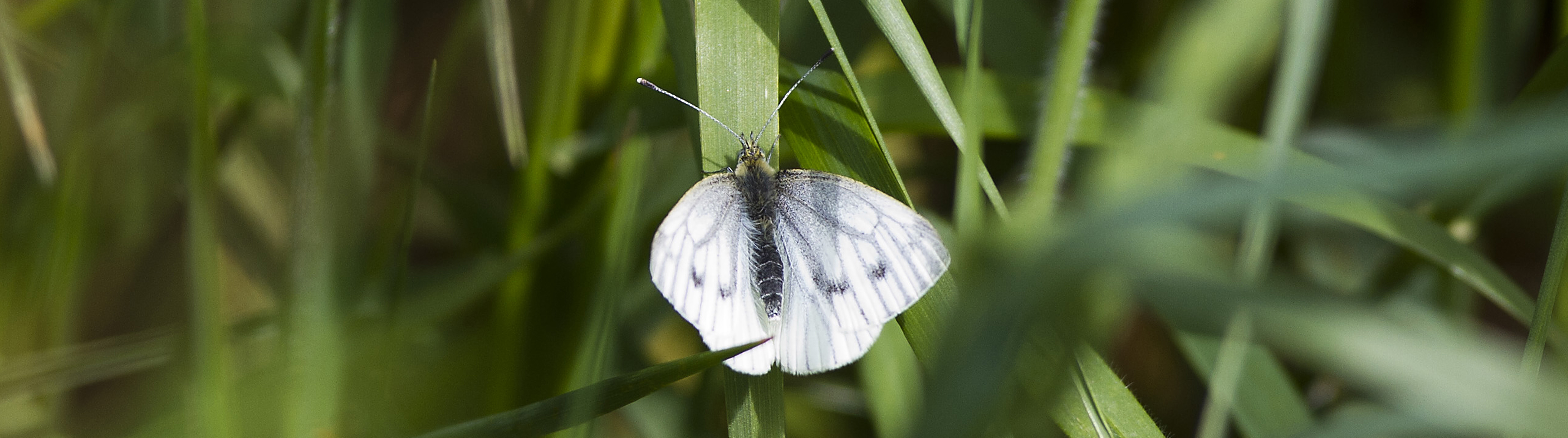
Butterflies have four life stages, the egg, the larva (caterpillar), the pupa (chrysalis), and the adult butterfly. The caterpillar is designed to be an “eating machine” and by doing so, before it reaches the pupa stage, it will increase its body mass thousands of times. Plants that caterpillars eat are called larval food plants or host plants and each species of butterfly at the caterpillar has specific larval food plants associated with it. Caterpillars are mostly herbivores feeding mainly on leaves but sometimes on the fruit or other parts of plants.
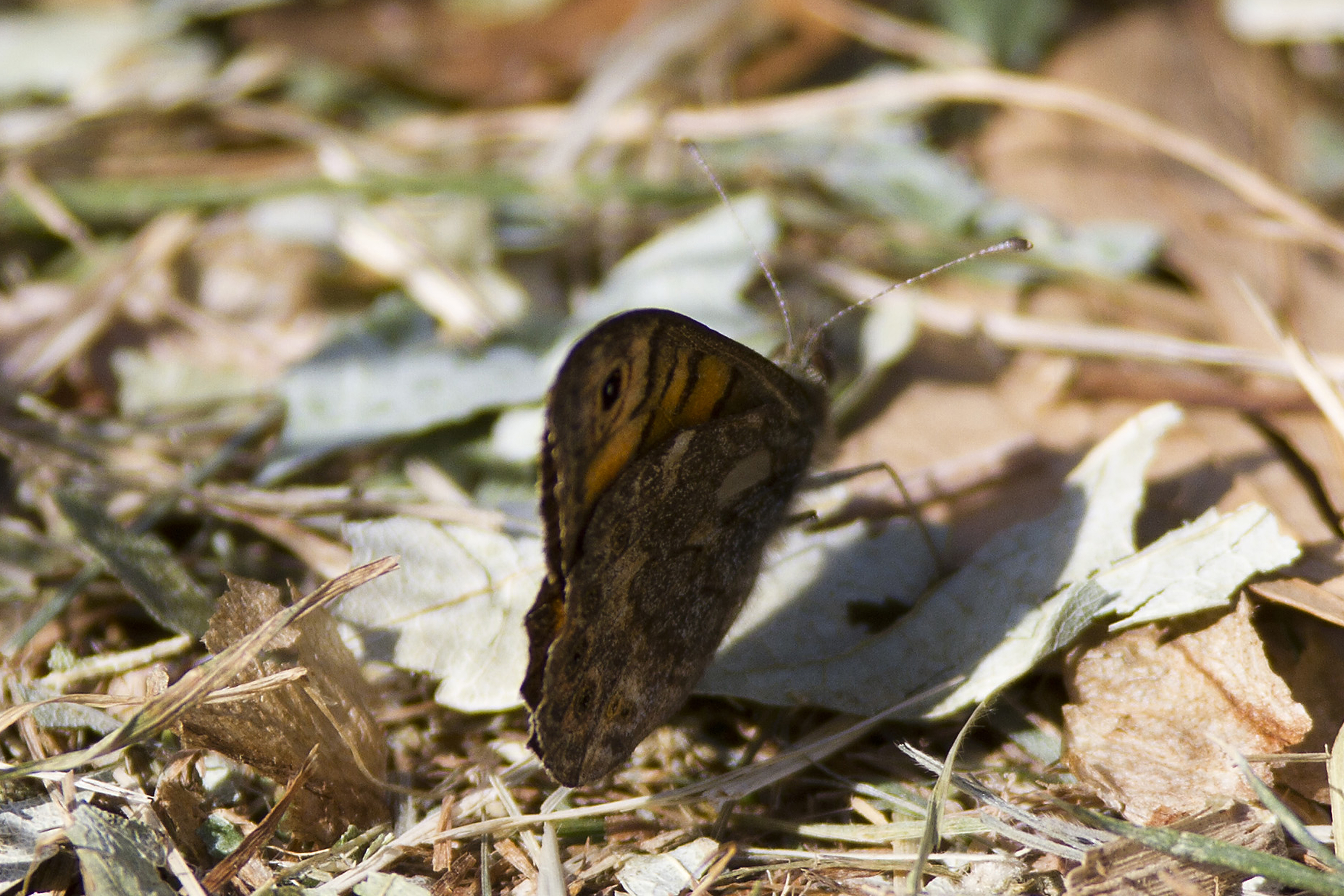
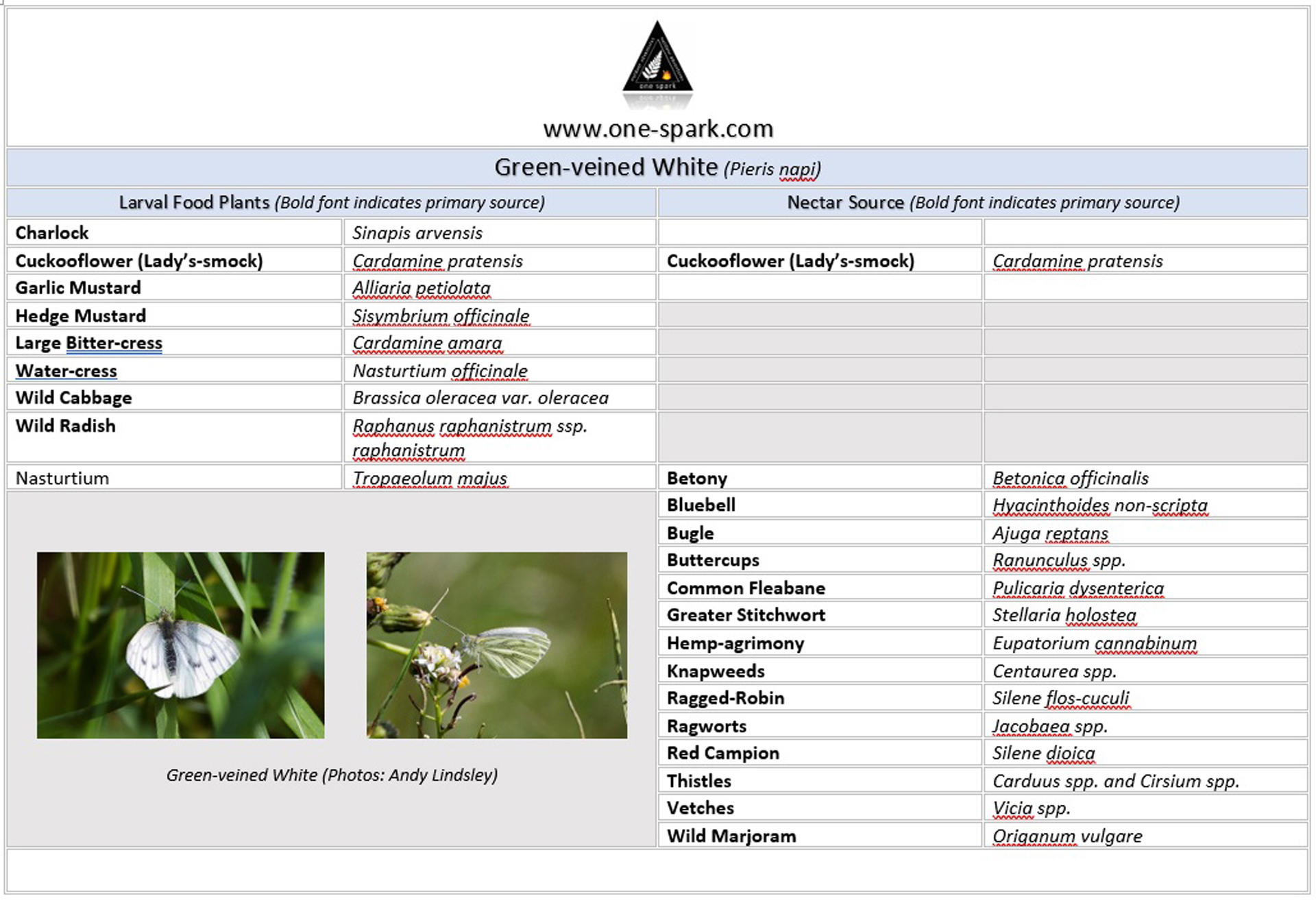
Once the adult butterfly has emerged most eat, well drink, from plants known as nectar plants. Nectar is a sugar-rich liquid produced by plants which attracts pollinators and in doing so provide a nutrient source for them. One of the common nectar-consuming pollinators are butterflies. Some species of butterfly have specific nectar plants that they prefer but many adult butterflies will feed from a wide variety of nectar sources. Butterflies are not as specific in their food source as are their caterpillars. A few adult butterfly species even prefer rotting fruit, dung, sap and carrion as opposed to nectar. Honeydew is also a food source for some. This is a sugar-rich sticky liquid, secreted by aphids and some scale insects as they feed on plant sap. Butterfly nectar plant preferences can even vary from area to area which may be due to changes in soil types, pH, etc. The following illustration shows the larval food plants and nectar plants favoured by one of our many butterflies, the Green-veined White.
As bush-crafters we learn about useful plant species in relation to survival. For example, we may wish to source nettles, perhaps to make natural cordage or perhaps as a food source. I use nettles as an example and they are typically easy to find, but with some other plants, it may not be so easy. As far as nettles are concerned, they are one of the best sources of caterpillar food in the UK. Red admiral, peacock, comma, and small tortoiseshell butterflies all lay their eggs on nettles so that their larvae, caterpillars, have a readily available food source to wake up to once they have hatched.
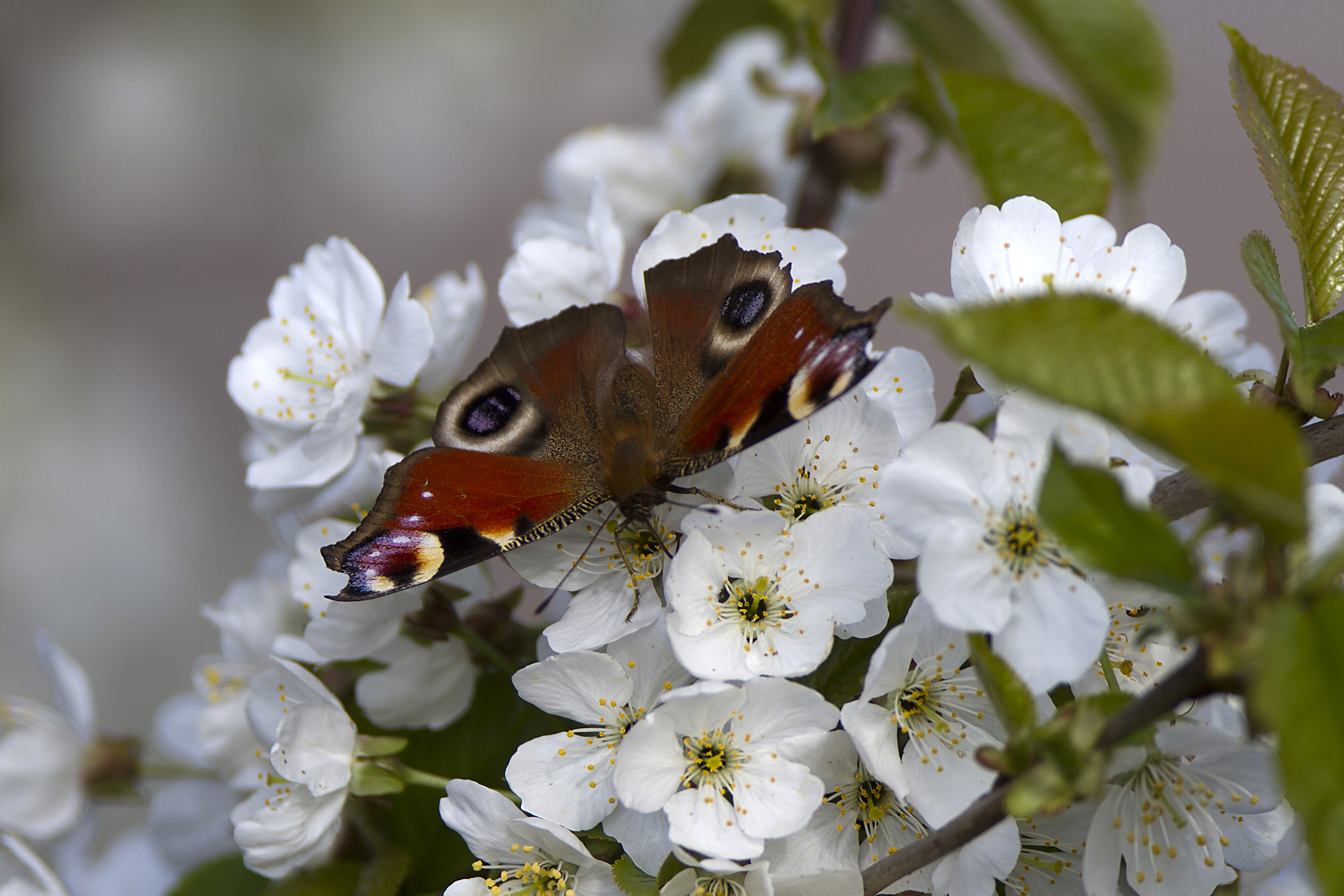
It therefore follows that it is especially useful to be aware of different types of butterflies and the plants that each is associated with whether at the caterpillar stage or at the adult stage. Spotting a particular species of butterfly may indicate that nearby is the type of plant that is known to be a food source of that species and which we may want to find for our own purposes.
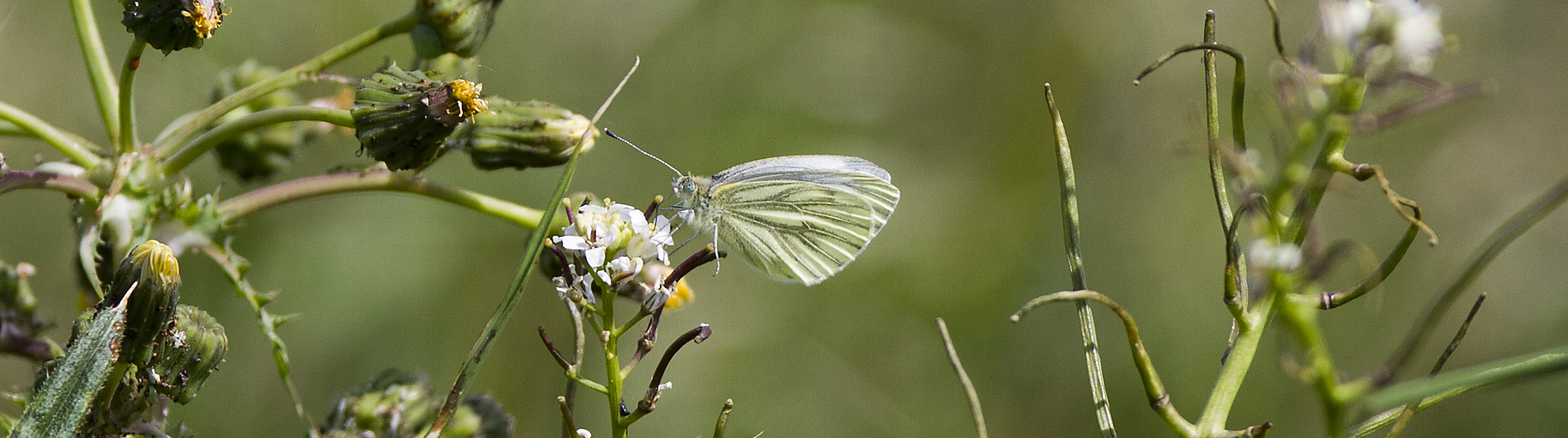
The lifespan of most adult butterflies is about 2-3 weeks, but this can vary. In their lifespan the female adult butterflies must find a mate and the right plants on which to lay their eggs to begin the butterfly life cycle all over again.
We must, of course, bear in mind responsible foraging, and only take as much as we need of any plant. If we find only a small area of nettles and they are festooned in eggs, caterpillars or chrysalis, we should think of finding a larger patch where picking them will not have such an impact on the caterpillars relying on them for their food.
The following examples illustrate three more of our many species of butterfly commonly seen in the UK and each species respective larval food plants and nectar sources.
Remember – we must always live in harmony with nature to sustain the nature of which we are a part.
I hope you have found this interesting and next time you are out in the woods, hills or fields take time to notice the butterflies and the types of plants they are interested in. Each new day brings new experiences, so until tomorrow……

 One Spark Outdoor Adventures