
You might think I’m a ‘Dog’ but I bet you didn’t know that my worldwide name is ‘Canis’, so you can see why some people call us ‘Canines’ which is also a name for teeth! Anyway, I don’t bite so we’ll leave that one there.

My name, Lucy, is an English and French feminine given name which comes from the Latin masculine name Lucius. The meaning is “as of light” (born at dawn or daylight) but maybe also shiny, or of light complexion. I don’t know what time of day I was born but I do know that I’m a black Labrador so you wouldn’t say my complexion is light. I am pretty shiny though!
Back to plants then – the clue wasn’t necessarily in the Latin name, so I wandered off into etymology. Andy doesn’t like me wandering off but once I’ve wandered it’s up to me when I come back! Anyway, who knows what etymology is? It’s the study of words, where they originated and what they mean.
I found lots of interesting plants worldwide that have dog in their common name for different reasons. Too much to include here, and some of the plants are worth a blog of their own so you can look forward to some of them!
It would seem that ‘Dog’ can be used to describe something false, untrue, not what it seems, bad or impure. The cheek of it! That seems a bit harsh for an animal that has been domesticated for years and living with humans and as you all know we are supposed to be man’s best friend after all.
Be that as it may, it isn’t true of all plants called dog. Not all are bad or impure, although some are. Some are positive, smelling sweet and some you can even eat. Not all of them though so beware!
As far as I can see there are fewer instances of ‘dog’ being used within the scientific name than within the common name.
I’ve made a list of ‘Dogs’ in plant families which I will tell you about in future blogs.
I might have missed some though so if you know of some other please do tell me. I’ll tell you about them under common name, giving the Latin name below, and also any other common names that I can find. This will help you understand the importance of using the scientific name to avoid confusion.
I was talking to a German Shepherd about some of the common names and he didn’t understand me!
Just before I go then – it’s nearly time for a walk and then I get some food so I can’t miss that, I’ll leave you with the first one of my plants.
Common name: Dog Rose
Common name: Dog Rose
Family: Rosaceae (Rose)
Scientific name: Rosa canina
Other common names: Bird rose, Sweet briar

You will see this in Hedges, scrub, woods, roadsides and banks in the UK and it is edible but has sharp thorns. I got one in my paw once and it was painful, believe me.
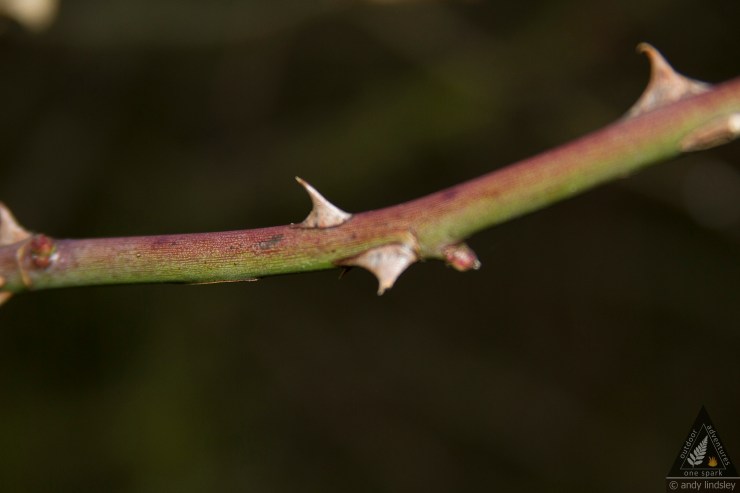
Always make sure you have an adult with you before you eat anything which grows wild to make sure you have the right species because a lot of plants which might look the same are poisonous.
The berries (fruit) of the Rose can be used in making delicious jams and syrups. The syrup is used as a nutritional supplement, especially for babies and is a good source of vitamins. It can also be dried and used as a tea.
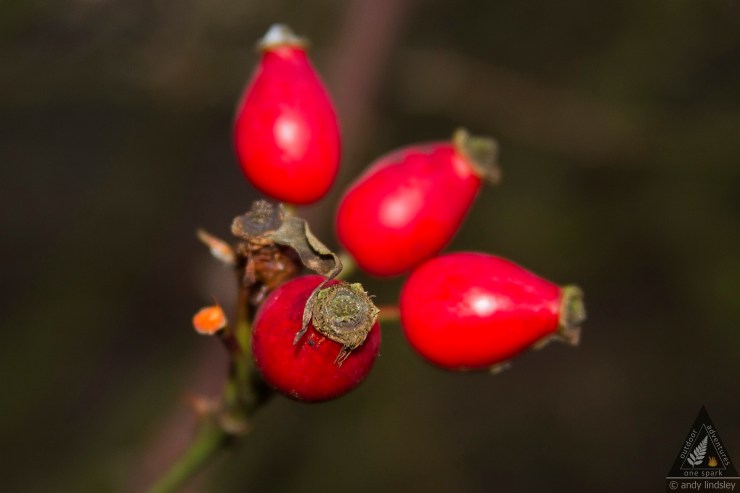
You must take care when picking and preparing this fruit as there is a layer of hairs around the seeds just beneath the flesh of the fruit. These hairs can cause irritation to the mouth and digestive system if you eat them. The petals are eaten as a vegetable in China and can also be used to make an unusual scented jam.
Watch out for my next blog coming soon.
 One Spark Outdoor Adventures